
Leaving the workforce hands you the one asset you probably lacked during your busiest career years: uninterrupted time. While traveling, visiting family, and finally relaxing are excellent pursuits, spending endless hours staring at walls you wish were a different color can quickly drain the joy from your newfound freedom. Staying active at home keeps your mind sharp, protects your physical mobility, and steadily increases the value of your largest financial asset.
“Don’t simply retire from something; have something to retire to.” — Harry Emerson Fosdick
Taking on do-it-yourself home improvements does not mean you need to strap on a heavy tool belt and gut your kitchen. The most rewarding DIY projects for seniors focus on high-impact, low-stress upgrades. These tasks improve your daily comfort, enhance your home’s safety, and provide a deep sense of accomplishment at the end of the day.
Whether you want to modernize a dated living room, create a safer bathroom, or build an outdoor oasis, carefully chosen projects deliver incredible return on your investment of time. Let us explore the best manageable, fulfilling home upgrades you can tackle this weekend.
High-Impact, Low-Stress Visual Upgrades
Major renovations disrupt your life for months and often spiral over budget. Cosmetic updates, however, offer immediate gratification without turning your living space into a construction zone.
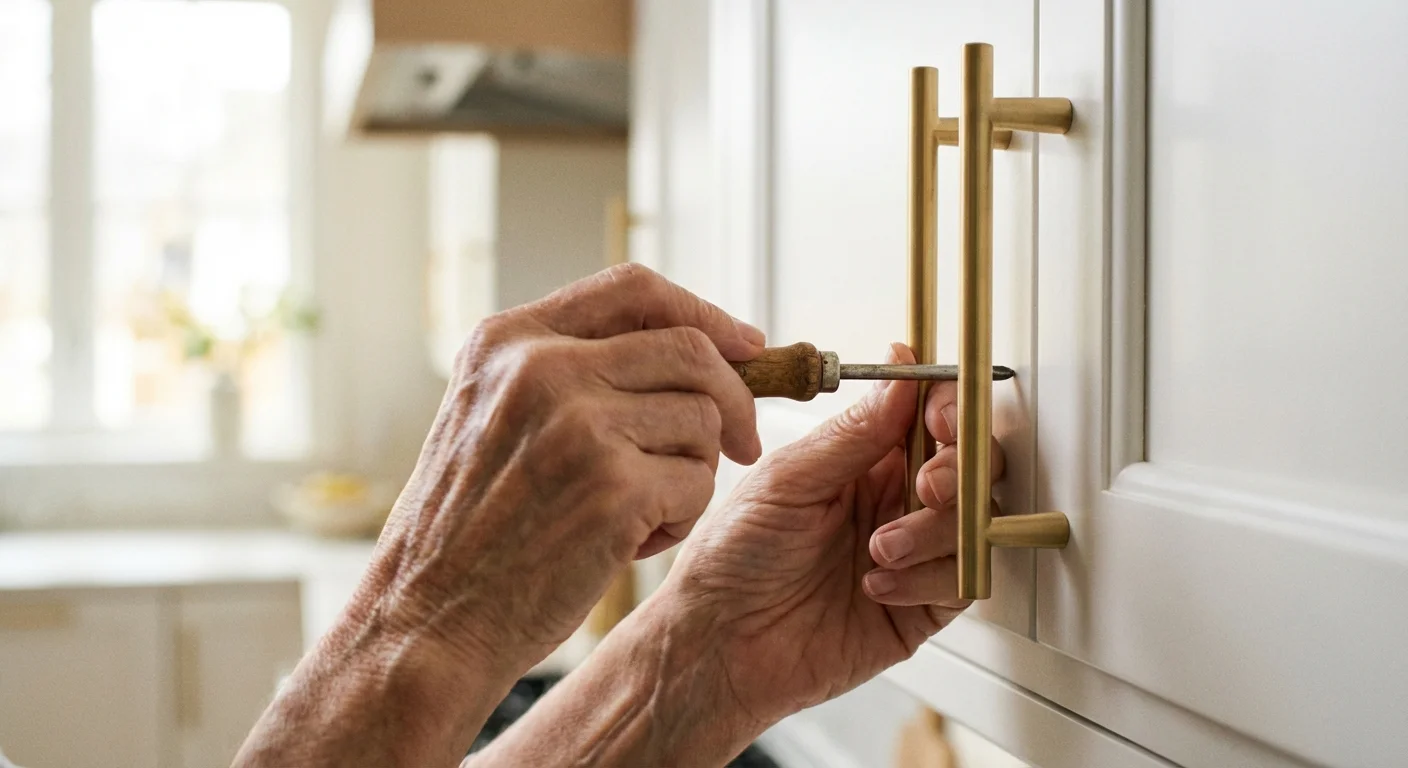
Update Cabinet Hardware
If your kitchen or bathroom cabinets still feature tarnished brass knobs from the 1990s, replacing them offers the fastest facelift possible. Swapping out hardware requires nothing more than a screwdriver, a tape measure, and a few hours of light work.
- Measure twice: Ensure the new handles have the same “center-to-center” hole spacing as your existing hardware so you avoid drilling new holes.
- Choose ergonomic designs: Replace small, hard-to-pinch knobs with D-shaped pulls. Bar pulls allow you to slide your whole hand behind the hardware, which is much easier on arthritic finger joints.
- Update hinges: If you feel ambitious, swap out old hinges for soft-close models. They eliminate slamming doors and add a premium feel to older cabinetry.
Strategic Interior Painting
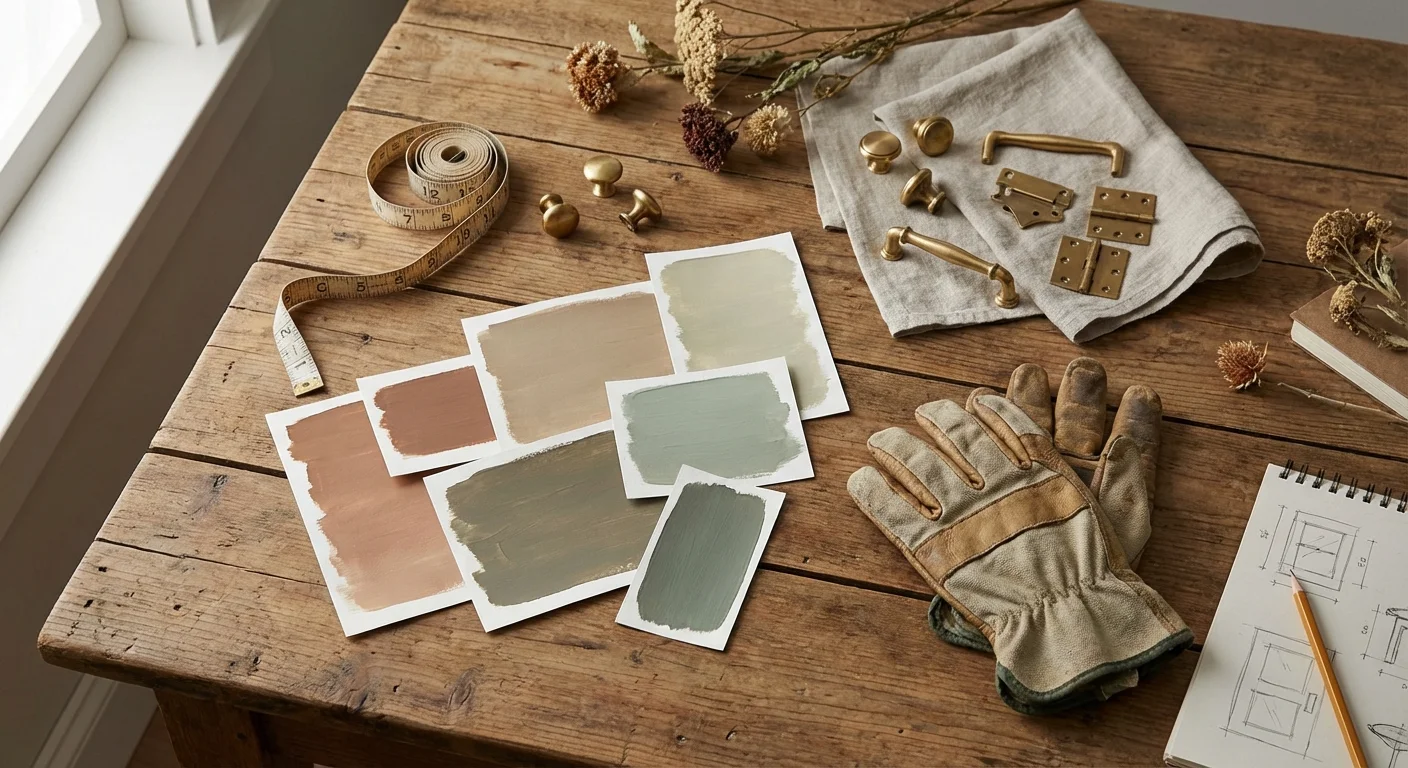
Painting an entire house with vaulted ceilings demands too much physical strain, but painting an accent wall, a small half-bathroom, or a piece of tired furniture makes for a perfect weekend project. Fresh paint hides scuffs, brightens rooms, and modernizes your space.
Use high-quality, zero-VOC (volatile organic compound) paints to avoid breathing in harsh fumes. If standing on ladders feels risky, invest in an extension pole for your roller. This simple tool allows you to paint standard eight-foot walls while keeping both feet planted firmly on the floor.
Creating a Safe and Accessible Sanctuary
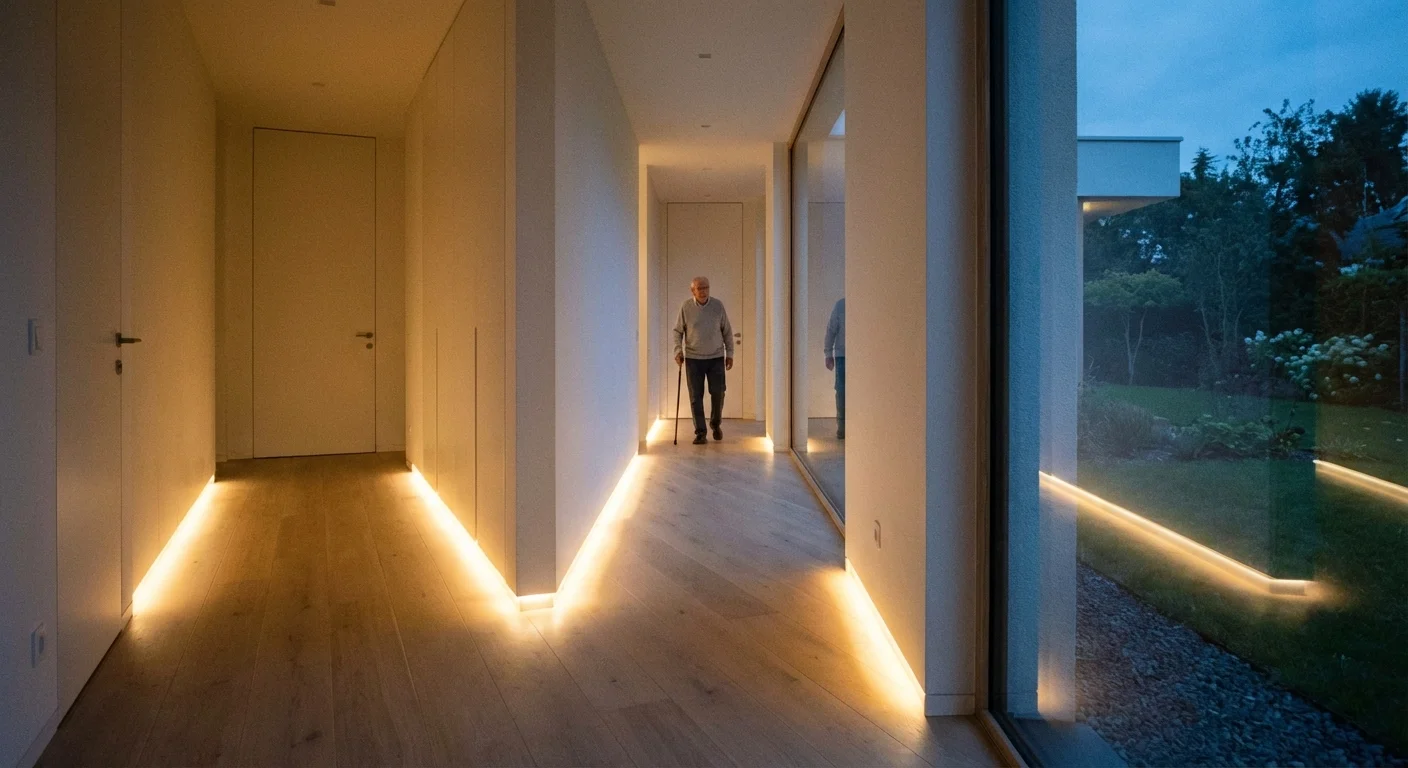
Aging in place requires your home to adapt to your changing needs. The National Institute on Aging emphasizes that fall prevention and proper lighting serve as the foundation for safe independent living. You can install many of these safety modifications yourself.
Install Smart Home Lighting
Fumbling for light switches in the dark presents a major fall hazard. Smart lighting eliminates this risk entirely. You do not need to rewire your home to enjoy automated lighting; simply replace your standard light bulbs with smart bulbs.
Once connected to your home Wi-Fi network, these bulbs allow you to turn on lights using voice commands or a smartphone app. You can also program them to turn on automatically at sunset. Add motion-sensor nightlights along hallways and inside bathrooms to ensure safe navigation during middle-of-the-night trips.
Upgrade Showerheads and Grab Bars
Bathroom modifications sit at the top of the priority list for comfortable retirement living. Replacing a fixed showerhead with a handheld model on a slide bar drastically improves your bathing experience, especially if you ever need to use a shower chair.
Installing grab bars no longer means settling for institutional, hospital-style metal tubes. Today’s hardware stores stock grab bars disguised as stylish towel racks, toilet paper holders, and corner shelves. When installing any weight-bearing bar, you must use a stud finder to anchor the screws directly into the wooden wall studs, ensuring the bar can actually support your body weight if you slip.
Outdoor Oases and Gardening Projects
Spending time outdoors lowers blood pressure, reduces stress, and provides gentle, functional exercise. Traditional gardening, however, involves heavy lifting and constant bending. Adapting your outdoor spaces makes gardening sustainable for decades to come.
Build Raised Garden Beds
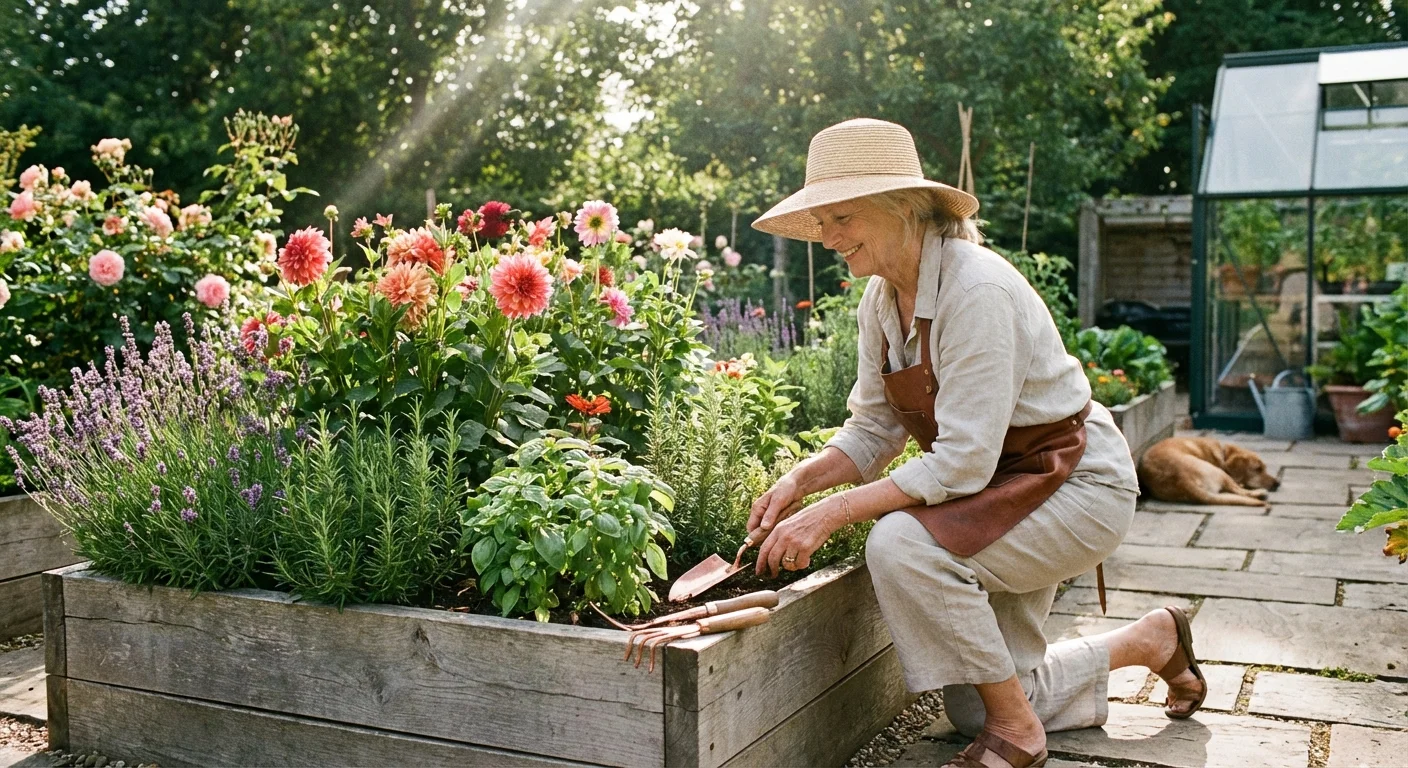
Raised beds bring the soil up to you, eliminating the need to kneel on damp ground or hunch over seedlings. You can purchase interlocking cedar kits that assemble in minutes without tools, or build your own using untreated lumber and deck screws.
For ultimate comfort, aim for a bed height of at least 24 to 30 inches. Fill the bottom half of the bed with organic filler like logs, twigs, and leaves (a method known as hügelkultur) to save money on expensive topsoil and improve drainage. Plant low-maintenance vegetables, native pollinator flowers, or a dedicated herb garden.
Rejuvenate Your Patio or Deck
Over time, outdoor living spaces accumulate dirt, algae, and grime. Renting or purchasing a lightweight electric pressure washer allows you to strip years of weathering off concrete patios, wooden decks, and vinyl siding.
Once the surface dries, apply a fresh coat of waterproof sealant to wooden decks. To complete the outdoor transformation, string commercial-grade LED patio lights overhead. This extends the usability of your outdoor space well into the evening and creates a wonderful atmosphere for entertaining friends or relaxing with a book.

Organizing and Decluttering (The Ultimate DIY)
Sometimes the best home improvement project involves removing things rather than adding them. Downsizing your possessions reduces daily anxiety, makes cleaning easier, and relieves your adult children from facing a massive cleanup burden later.
Install Closet Organization Systems
Standard wire builder-grade shelving wastes enormous amounts of vertical space. Installing a modular closet system instantly doubles your storage capacity. Most hardware stores sell track-based systems where you mount a single horizontal rail near the ceiling, hang vertical tracks from it, and snap in shelves and drawers at your preferred heights.
This project drastically improves daily convenience. You can position shelves exactly where you need them, bringing frequently used items to waist height and eliminating the need to reach high or bend low.
Tackle the Garage Zones
Garages often become the default storage space for decades of accumulated belongings. Break this intimidating project down into manageable zones. Spend one Saturday sorting through old paint cans and safely disposing of household chemicals. Spend another weekend installing heavy-duty wall hooks to get shovels, rakes, and hoses off the floor.
Comparing Project Profiles
Before diving into a project, evaluate the time, cost, and physical effort required. Use this table to match your weekend plans with your current energy levels and budget.
| DIY Project | Estimated Cost | Time Required | Physical Strain Level | Primary Benefit |
|---|---|---|---|---|
| Cabinet Hardware Upgrade | $50 – $200 | 2 – 4 Hours | Low (Some gripping/twisting) | Instant visual modernization and easier grip |
| Smart Lighting Installation | $30 – $150 | 1 – 2 Hours | Low (Reaching for fixtures) | Fall prevention and daily convenience |
| Raised Garden Beds | $100 – $300 | 1 Weekend | Moderate (Shoveling soil) | Pain-free gardening and fresh produce |
| Closet Organization System | $150 – $500 | 1 Weekend | Moderate (Lifting shelves, drilling) | Maximized storage and easier daily access |
| Accent Wall Painting | $40 – $100 | 1 – 2 Days | Moderate (Rolling, taping) | Refreshed, personalized living space |

Errors That Cost Retirees Thousands
While DIY projects save money on labor, mistakes quickly erase those savings. Protect your retirement budget and your physical health by avoiding these common traps.
Overestimating Physical Limits: The enthusiasm to finish a project often overrides physical fatigue. Working on ladders when tired leads to falls, which rank among the most devastating injuries for older adults. Pace yourself. A project that took you four hours in your thirties might take eight hours now. Break the work into two-hour sessions and respect your body’s signals.
Starting Without the Right Tools: Attempting to force a screw with the wrong sized driver strips the head, turning a ten-second task into an hour-long frustration. Invest in lightweight, battery-powered tools. Modern 12-volt cordless drills weigh a fraction of older 18-volt models but deliver plenty of power for household tasks. Buy tools with thick, rubberized grips to reduce hand fatigue.
Ignoring Building Codes and Permits: Cosmetic upgrades do not require permits, but moving walls, adding windows, or expanding decks usually do. Skipping the permit process saves a few dollars today but creates massive headaches when you eventually try to sell your home. Unpermitted work can stall a sale or force you to tear out completed upgrades.

When to Get Expert Help
Knowing your limits defines a successful DIYer. Pushing past those boundaries threatens your safety and your home’s integrity. You should always hire licensed professionals for specific types of work.
Never attempt your own electrical panel upgrades, hardwired fixture installations involving older home wiring, or plumbing modifications behind the walls. Water damage from a botched pipe connection causes thousands of dollars in rot and mold damage long before you notice the leak.
Leave structural changes to the experts. Removing a load-bearing wall without proper temporary support compromises the roof structure. Roof repairs and second-story exterior painting also fall firmly into the “hire a pro” category due to the severe risk of ladder falls.
If you need extensive home modifications for safety but worry about the cost, community resources exist to help. The Eldercare Locator, a public service of the U.S. Administration on Aging, can connect you with local agencies that offer home modification grants or vetted contractor lists. Additionally, you can check AARP for resources on finding reliable, age-in-place certified contractors.
Frequently Asked Questions
What are the best lightweight tools for older adults?
Look for 12-volt lithium-ion power tools, which provide excellent power while weighing under three pounds. Tools with soft-grip, oversized handles accommodate arthritis better than hard plastic. Spring-loaded pliers and ratcheting screwdrivers also significantly reduce wrist strain.
How can I fund larger home improvement projects?
If you plan to hire contractors for major renovations, you might use savings, tap into home equity via a HELOC, or explore a reverse mortgage if you are over 62. Before taking on debt, verify if your local Area Agency on Aging offers home modification grants for seniors.
Do accessibility modifications increase property value?
Universal design features—such as curbless showers, wider doorways, and lever-style door handles—appeal to buyers of all ages and generally increase home value. However, highly clinical additions, like hospital-style stairlifts or heavy industrial ramps, may need to be removed prior to a sale if the buyer does not need them.
How do I dispose of old building materials and decluttered items?
Many municipalities offer bulk trash pickup days. For items still in good condition, consider donating to organizations like Habitat for Humanity’s ReStore, which will often send a truck to pick up old cabinets, doors, and surplus tile.
Taking ownership of your living space provides an immensely satisfying outlet for your energy. By choosing projects that improve your daily life—like swapping out stubborn hardware, brightening a dark room, or building a comfortable garden space—you create a home that truly supports your retirement lifestyle. Pick a manageable project from this list, gather your supplies, and enjoy the tangible rewards of a job well done.
Retirement rules and benefit amounts vary based on individual work history, income, and circumstances. This article provides general guidance only. Consult a SHIP counselor, financial advisor, or elder law attorney for advice specific to your situation.
Last updated: February 2026. Medicare and Social Security rules change annually—always verify current details at official government sources.