Senior scams: why are retirees targeted more than other age groups?
Financial frauds in our elderly years are disconcerting and unpleasant. Why us? Why do unethical fraudsters target elders so often? Understanding the many causes is the first step to defending against these frauds.
First, elders are thought to have amassed riches. This gives scammers a chance to steal from large savings or retirement accounts. They typically think elders are less tech-savvy or more trusting, making us better candidates for their deception.
We’re also targeted because of our perceived fragility. Some fraudsters mistakenly believe elders are lonely, more talkative, and more receptive to their scams. They utilize the human urge for connection to deceive.
We also have technical familiarity. Many of us are tech-savvy, but fraudsters know certain seniors may not be as clever at recognizing phony emails, messages, or internet scams. Our unfamiliarity with digital dangers makes us more susceptible to internet frauds.
For the record, the Federal Trade Commission found that 25% of 70-year-olds lost money to fraud in 2019, with a median loss of $600! This stark statistic speaks for itself and it really changed my perspective.
Sometimes the police can’t keep us safe. The system can’t prevent certain scams, especially virtual ones.
We have to stand up and take action to stay safe.
As we explore this issue, remember that knowledge is power. Understanding why we are targeted helps us see and avoid these frauds. We need to defend our freedom and peace of mind in retirement, not simply our cash. Let’s educate ourselves and demonstrate to these crooks that we’re not easy prey.

What are the warning signs of a scam?
In retirement, we must be careful against financial fraud. Detecting scams early may save our funds from crooks. Through my personal and our community’s experiences, I’ve learned to notice these warning signals. We can avoid scammers by discussing several crucial indications that say “scam.”
Unsolicited Contact: Be careful of unsolicited calls, emails, or letters that request personal or financial information. Legitimate companies usually contact first.
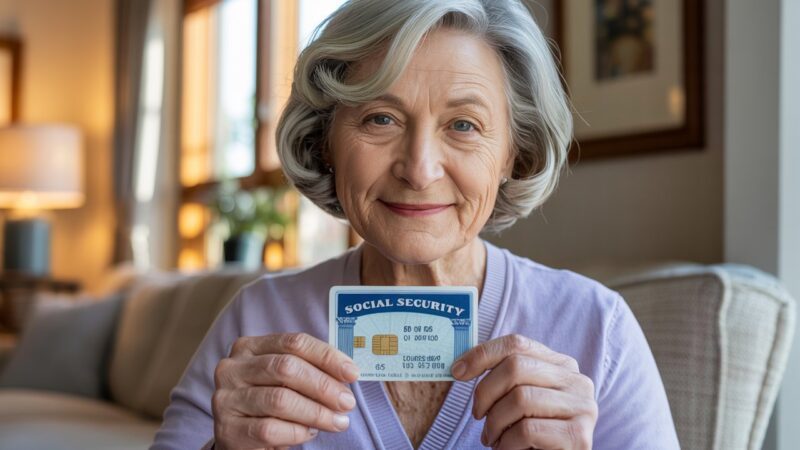
Requests for Personal Information: If someone asks for your Social Security number, bank account information, or other sensitive information, beware. Preventing identity theft requires protecting your personal details.
Create urgency: Scammers use high-pressure tactics. They may say you must act swiftly to win a reward, avoid a punishment, or assist a loved one. Someone pressuring you to act quickly is probably a fraud.
Deals Too Good to Be True: Sounds too wonderful to be true? It probably is. Do not trust high-return, no-risk investment offerings or competitions you won without joining.
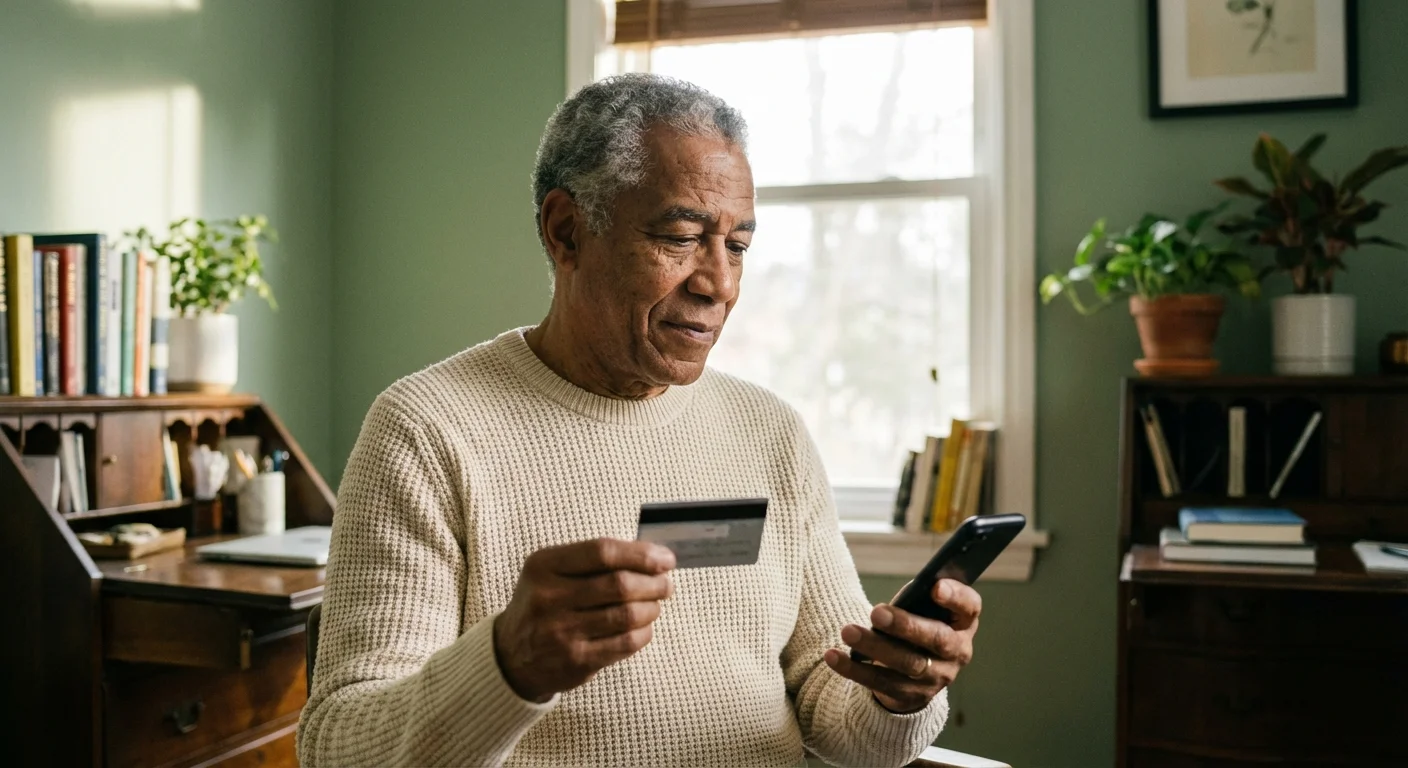
Unusual Payment Methods: Gift cards, wire transfers, and other untraceable payment methods are signs of a fraud. Legitimate companies and government bodies won’t charge this way.
Poor Spelling and Grammar: Scam emails and letters often feature poor spelling and grammar. This indicates it’s not from a professional organization.
Check email addresses and URLs for legitimacy. Avoid links from unknown sources, which may lead to phishing sites.
My tip: always “pause and verify.” If I get a suspicious offer or request, I check it myself by searching online, calling the firm, or talking to a trustworthy friend or family member.
According to the National Council on Aging, elder financial scams are “the crime of the 21st century.” By knowing these warning signals and remaining educated, seniors may greatly lower their chance of becoming victims. Let’s empower ourselves and each other by sharing this information and being skeptical of unexpected or too-good-to-be-true promises.
What are the most common senior scams?
Phone Scams
Scammers sometimes target elders by phone. They may pose as charity workers requesting contributions, say you won a lottery or sweepstake you never participated in, or impersonate government authorities to steal personal information or money. In the ‘grandparent scam,’ the caller claims to be a grandchild in need of money. Never hand out personal information or money over the phone without verifying the caller’s identity.
Door-to-door scams
Door-to-door scams include fraudsters visiting your house. They may charge ahead for house repairs or upkeep and then not deliver. Others may offer fraudulent items or conduct false surveys to get your data. Always check ID and legality of anybody offering services at your door, and never feel forced to make a choice or pay.
Email and Internet Scams
The digital era has brought sophisticated email and online fraud. Phishing emails that impersonate reputable firms may gather crucial data. These emails typically connect to scam websites that steal personal or financial data. Online investing programs offering big returns with low risk are often scams. Be careful online and never click on questionable links or reveal your personal information on untrusted networks.
Identity theft
Fraudsters steal personal information to perform identity theft, a serious problem. This might include creating credit accounts, depleting bank accounts, or utilizing your identity for illicit actions. They may get your information via stolen mail, data breaches, or deception. Shred important papers, use strong passwords to safeguard online accounts, and check bank records for illicit activity.
Understanding these typical frauds helps you protect yourself. Skepticism should be used to uninvited communications and unbelievable proposals. Being aware and vigilant is your greatest protection against financial crooks.

How can you prevent senior scams?
In our older years, when financial frauds are rampant, wise and sometimes unorthodox preventive steps are crucial to protecting our personal information. These specific, cunning methods can help you keep ahead of fraudsters.
Personal Data Audit: Audit your data regularly. Record where and with whom you’ve exchanged sensitive data. This knowledge lets you spot unexpected demands and irregularities promptly.
‘Necessity to Know’ Policy: Share information based on necessity. Only provide personal information with trustworthy others over the phone, in person, or online.
Alternative Contact Information: Use a supplementary email or prepaid phone number for general questions. This protects your main contacts for scams – you’ll thank me later!
Destroy, Don’t Just Discard: Buy a decent shredder and destroy any personal papers, even junk mail that may be exploited for identity theft.
Our ‘Confirmation Call’ Method: If you get a questionable request for information or money, hang up and call back using a number you found independently (from a statement, official website, or credit card back).
Monitor Scam Trends: Know the newest scams. Attend fraud protection classes or subscribe to trusted financial safety publications.
Credit Freeze or Alerts: Consider freezing or alerting your credit. So you’re warned quickly of any efforts to register new accounts in your name, a frequent identity theft method.
These ideas are smart and proactive about protecting your personal data. We deserve peace of mind in retirement, and these techniques may considerably lower the danger of financial frauds. Remember that diligence and readiness are your best weapons against fraud.
I hope this article will keep us all safe in a day and age where danger lurks at every step – sometimes much closer than we think. If you have any other safety tips to prevent senior scams, please let me know in the comment section and let’s keep each other safe!
Meanwhile, feel free to check out my article on 8 Expert Tips to Keep Your Social Security Number Safe from Scammers for more useful information!