Type 2 Diabetes occurs when the body doesn’t create enough insulin or rejects its effects. This causes blood glucose to build up, which may be dangerous if not handled. Sadly, diabetes has increased from 108 million in 1980 to 422 million in 2014, with Type 2 Diabetes accounting for most cases, according to the WHO. These figures reflect people, families, and communities dealing with the illness.
Understanding diabetes control is crucial. Diabetes may cause cardiovascular disease, renal disease, neuropathy, and serious eye disorders if left untreated. Early detection matters. Increased thirst, frequent urination, unexplained weight loss, weariness, hazy eyesight, and recurring infections may be minor indications. Recognizing these indicators and obtaining medical treatment may radically alter the disease’s course.
Many wrongly assume that type 2 diabetes it’s a “less severe” type of diabetes than Type 1 or caused by poor lifestyles. While lifestyle might contribute, genetics and family history are also important. Another myth is that Type 2 Diabetes patients cannot eat sugar. A balanced and controlled approach to carbs is more correct.
This disease has worldwide repercussions. With expensive medications, management tactics, and patient support infrastructure, the condition strains healthcare systems globally. In 2019, the International Diabetes Federation anticipated USD 760 billion in worldwide diabetes treatment and management costs. These costs highlight the disease’s economic impact on wealthy and developing countries.
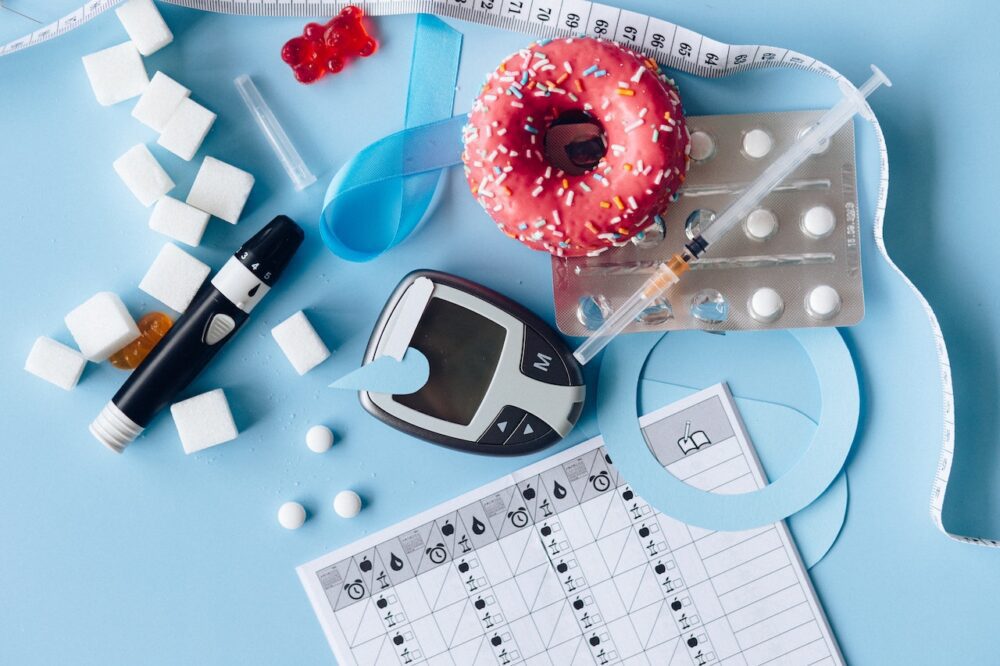
How Can Seniors Prevent Type 2 Diabetes Complications?
Regular blood sugar checks
Understanding and controlling diabetes is like a complicated dance where every movement matters. This dance relies on frequent blood sugar testing for better control and a healthier future.
Knowing your diabetes statistics goes beyond screen numbers. How they portray your health matters. These statistics show your body’s response to diet, stress, exercise, and medicine immediately. They’re more than data—they guide healthier decisions.
Modern medicine has several instruments to simplify monitoring. For a fingertip drop of blood, the conventional glucose meter is reliable. Technology has advanced farther. Continuous glucose monitors provide real-time sugar readings without pricking. Insulin pumps with integrated monitoring combine accuracy and ease.
Personal rhythms emerge from blood sugar checks. Someone on insulin may check before meals, after an afternoon workout, or before bed, while others may dance to a slower rhythm and check less regularly. Although many strive for 70-130 mg/dL before meals and fewer than 180 mg/dL after meals, individual objectives might differ. Always see a doctor to verify this song fits your health.
However, the actual beauty is in the patterns such readings create over time. Tracking these trends is like reviewing a dance routine to find mistakes or grace. Recognizing these tendencies might help change medication or diet choreography.
The living exist beyond the statistics. Every pizza slice, buddy laugh, stressed deadline, or early yoga practice affects blood sugar. Recognizing the relationship between everyday activities and blood sugar levels guarantees that life is about living fully, with diabetes as one of many partners.
Medication Compliance
Diabetes treatment requires drug compliance to maintain health and avoid complications. Blood sugar levels may be controlled using strong medications. Lifestyle variables like food and exercise are important, but drugs help many reach these objectives.
Consistency in diabetic medication use is crucial. Regularity prevents hypoglycemia and long-term consequences including neuropathy and renal damage by stabilizing blood sugar levels. Adherence to the regimen helps healthcare practitioners make educated modifications by giving precise feedback.
As with other drug, diabetes medications may have negative effects. These might vary from slight stomach discomfort to serious difficulties, depending on the medicine and person. It’s important to watch for new symptoms and tell your doctor. This conversation helps address urgent problems and might lead to drug type or dose changes to improve effectiveness and comfort.
The urge to self-adjust drug dosages, particularly while feeling ineffective or uncomfortable, is dangerous. Dosage changes without medical advice might cause blood sugar fluctuations. In extreme circumstances, this might cause dangerously high or low levels, which can harm health. This is why frequent doctor visits should address pharmaceutical effectiveness and adverse effects concerns.
Adherence also depends on pharmaceutical storage and management. Diabetes drugs, especially insulin, need precise storage to be effective. Extreme temperatures may reduce the medication’s efficacy. Following these storage rules ensures the drug works properly. Understanding the shelf life and expiry dates of these drugs is also important to avoid employing obsolete or inefficient therapies.
Healthy Eating
Healthy eating promotes total health, not simply a fad. In a world with rising chronic illnesses, intelligent dietary choices might be our first defense. A healthy diet provides critical nutrients and protects the body from many health issues.
Balanced diets are crucial. It underpins our health. A balanced diet of proteins, carbs, fats, vitamins, and minerals keeps our bodies running at their best. From energy generation to cellular repair and cognition, it promotes crucial activities.
Whole foods are frequently our first choice for diet. Vitamins, minerals, and antioxidants in fruits and vegetables fight oxidative stress and inflammation. Poultry, fish, beans, and lentils provide lean proteins that build and repair muscle. Whole grains like quinoa, oats, and brown rice preserve energy. However, processed meals, sweets, and bad fats may cause weight gain and other health problems.
The glycemic index (GI) is important for blood sugar watchers. It monitors how fast meal raises blood sugar. Sugary beverages and white bread generate fast surges, whereas lentils and non-starchy vegetables release sugar slowly and steadily. Understanding and using the GI might help you choose healthier carbs.
Another key to healthy eating is portion management. In a world of super-sized meals, understanding portion sizes helps avoid calorie overconsumption. Using smaller dishes, heed to hunger signals, and stopping between meals may help. Knowing food portion sizes may also help with mealtime decisions.
A balanced diet may be achieved by preparing meals. It avoids last-minute food scrambling that leads to bad choices. Schedule weekly meal planning to get a range of nutrients. Economical meal planning reduces food waste and wasteful expenditure.
Regular exercise
Regular exercise is important for general health, particularly for diabetics. Exercise is a therapeutic therapy for diabetes that helps improve blood sugar control and wellbeing.
Exercise has several advantages for diabetes. Physical exercise regulates blood sugar by helping muscles use glucose. Insulin sensitivity rises, so the body needs less insulin to metabolize sugar. Exercise improves cardiovascular health, mood, energy, and sleep in addition to blood sugar management.
The kinds and length of activities suggested for diabetes include aerobic and resistance training. Walking, running, swimming, and cycling improve cardiovascular health and blood sugar management. Most health groups recommend 150 minutes of moderate-intensity aerobic exercise each week. However, resistance exercise like weightlifting or resistance bands builds muscle and helps use glucose. Two to three times a week of such workouts may be effective.
Diabetics shouldn’t use the “one size fits all” approach to exercise. Adjusting workouts to individual requirements is crucial. Age, fitness level, diabetes problems, and other health factors might affect exercise choices. To prevent foot injury, diabetic neuropathy patients may swim.
Weight control is crucial for diabetes. Weight control helps regulate blood sugar and minimizes the risk of cardiovascular disease. Regular exercise and a balanced diet are essential for weight management.
While frequent exercise is important, listening to one’s body is too. Recognizing the body’s cues helps identify good exercise pain from danger symptoms. Avoid exercising if blood sugar levels are excessively high or low. Rest and see a doctor if you feel unexpected pain or discomfort. However, pushing oneself may be enjoyable on high-energy days.
Regular checkups
Regular medical checkups are vital to treating and living with diabetes. These monthly exams are proactive efforts to maintain optimum health, uncover any risks early, and make educated choices.
These frequent exams offer a complete picture of a diabetic’s health. They reveal how effectively diabetes is controlled and whether any issues require addressing. Routine checkups may identify issues early, enabling faster responses and better results.
These checkups include a variety of important tests. Since hypertension is often associated with diabetes, blood pressure monitoring are important. Kidney function tests like the urine albumin test and estimated glomerular filtration rate help diabetics monitor kidney health. Given the danger of cardiovascular problems in diabetes, lipid profiles usually include cholesterol values.
The HbA1c test is important for diabetics. This test gives a longer-term picture of blood sugar control by averaging blood sugar readings across two to three months. The HbA1c test provides a more complete picture than daily glucose testing, making it useful for evaluating treatment programs.
Beyond routine examinations, eye and dental exams are crucial to diabetes management. Diabetes may damage eye blood vessels, causing diabetic retinopathy. Eye examinations prevent eyesight loss by detecting it early. Also, gum infections are more likely with diabetes. Dental checkups may detect and treat such disorders early.
Not only are these tests and check-ups transactional. Building a connection with the doctor is possible. This connection underpins trust, open communication, and individualized treatment. Patients may work with their doctors to create a customized treatment plan by expressing problems, sharing experiences, and actively seeking advice.
RELATED: Which Foods Help Retirees Prevent Diabetes?

Foot Care
Foot care is important for diabetics. Diabetics frequently worry about their feet due to the many difficulties it may cause. An overview of diabetic foot care and its relevance.
Diabetics need foot care owing to neuropathy and restricted blood flow. Diabetic neuropathy may impair foot feeling, making injuries, sores, and infections hard to detect. Reduced blood flow slows healing and increases infection risk. All of these characteristics make diabetic feet more vulnerable.
Given this background, there are various foot care and early detection guidelines. Daily foot inspections are crucial. Cuts, blisters, redness, swelling, and nail issues may be detected and treated early. Daily foot washing with lukewarm water (never hot), light soap, and gentle drying, particularly between the toes, is advised. Moisturize regularly, except the toes, to avoid dry skin and cracks. Moisture management is important because excess moisture, particularly between the toes, may cause fungal infections.
Selecting the appropriate shoes is crucial. Diabetics should choose shoes that fit, support, and prevent blisters and sores. Later in the day, when feet are widest, is recommended for shoe shopping. Seamless or diabetic socks might also alleviate foot troubles.
No matter how good the foot care routine, expert treatment may be needed. See a podiatrist for chronic sores, unusual foot discomfort, or infections. These diabetic foot care professionals can give customized treatments, counseling, and preventative measures.
Stress Management
Stress is complex and affects many aspects of health. Its importance increases in diabetes, linking blood sugar control and diabetic treatment.
Hormones are released by physical and mental stress. While evolved for the “fight or flight” response, these chemicals raise blood sugar. Without diabetes, the body produces more insulin to handle these spikes. Diabetics, particularly those with limited insulin synthesis or use, may worry about stress-induced blood sugar rises.
Since stress directly affects blood sugar, stress reduction is crucial. In many circumstances, deep breathing techniques may soothe the mind and body instantly. Regular exercise, even a daily stroll, may reduce cortisol and improve blood sugar management. Hobbies, outdoors, and socializing may help relieve stress.
Identifying personal stress triggers is essential to stress management. The triggers for each individual vary, from job and personal relationships to finances and health. Recognizing stresses helps one cope or avoid them.
Sleep is essential to stress management. Refreshing sleep helps regulate stress hormones and replenish the body and mind. Poor sleep may raise cortisol levels, affecting blood sugar regulation. Thus, a regular sleep schedule, a comfortable sleep environment, and avoiding coffee and gadgets before night might improve sleep.
Daily mindfulness and meditation may change stress management. Mindfulness, or being present, may help identify and manage stress early on. Meditation, whether led or self-directed, helps people dive into their thoughts for clarity, tranquility, and self-awareness. These techniques reduce stress and prepare the mind for future pressures.
Avoiding Tobacco and drinking less
Avoiding smoke and limiting alcohol are general health advice. However, diabetics face larger risks. The complex relationship between these drugs and blood sugar regulation requires more study.
Health risks from tobacco use, especially smoking, are many. The consequences are worse for diabetics. Smoking causes insulin resistance, making blood sugar regulation harder for diabetics. Smoking and diabetes increase the risk of cardiovascular problems, which are already a major worry for diabetics. Tobacco may also damage blood vessels, increasing diabetic peripheral neuropathy.
However, alcohol and diabetes are complicated. Moderate alcohol intake may improve the heart. However, excessive drinking might cause blood sugar swings. Liver function is crucial to blood sugar regulation. Alcohol metabolism takes precedence over glucose control in the liver. Those on insulin or oral diabetic medicines may experience hypoglycemia. Many alcoholic drinks include sugars and carbohydrates, which raise blood sugar.
What should diabetics do given these concerns? No doubt: avoid cigarettes. Healthy alternatives like nicotine patches or gum may help smokers stop, but full cessation is the aim.
Alcohol should be moderated. Understanding its blood sugar affects is crucial. This entails knowing beverage carbohydrate content and being ready for hypoglycemia. One drink per day for women and two for men is typically safe. However, individual thresholds differ, so visit a doctor for tailored advice.
Finally, cigarette and alcohol addiction are complicated issues. Support is crucial for dependent people. This may include counseling, support groups, or addiction treatment programs. The National Cancer Institute offers many resources to get professional help.
Continuing Education
In the ever-changing world of healthcare and medicine, being informed is essential. Continuous learning and empowerment may enhance management and health outcomes for chronic illnesses like diabetes.
Following the newest research and suggestions keeps people at the forefront of contemporary science. Diabetes research is always evolving, with new insights on disease processes, therapies, and care options. Patients may get the greatest treatment by remaining current.
Education empowers, not simply informs. Informing patients allows them to make educated healthcare choices rather than just complying. Empowerment promotes control and ownership, which improve diabetes management.
Joining support groups or forums might help with ongoing learning. These platforms have two benefits. First, they allow you to learn from people on similar paths by exchanging experiences, thoughts, and advice. Second, they provide emotional support, fostering a feeling of community where people know they’re not alone in their struggles. Research, updates, and best practices are routinely shared on such sites.
However, in the digital era, trustworthiness is crucial. Not all data is the same. Using reliable sources of information is crucial. These might include scholarly publications, healthcare institutes, diabetic societies, or professional recommendations. Being selective about information quality and authenticity guarantees that judgments are founded on facts rather than myths.
Finally, technology has transformed diabetes care. Recently developed technologies like continuous glucose monitoring and insulin pumps are groundbreaking. As technology advances, learning how to use these tools helps expedite and improve diabetes treatment.