Which are the best vitamins for seniors over 50?
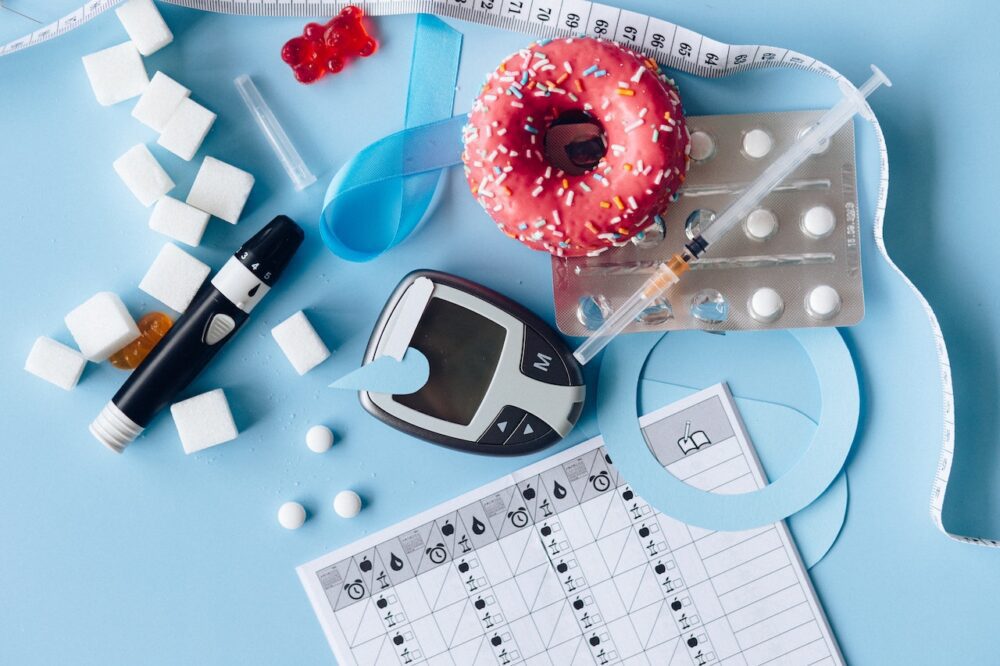
I’ll never forget my doctor’s words, “You’re vitamin D deficient, and it’s affecting your health.” As a senior, I felt I was eating well, exercising, and enjoying retirement. This diagnosis reminded me that even the most cautious may ignore important health issues.
I didn’t know how little vitamin D I was receiving in the Pacific Northwest, where sunny days are rare. It explained my chronic weariness, bone pains, and overall discomfort. As I learned, vitamin D is vital for bone and immunological health, yet I was unknowingly deficient.
This event revealed the need for vitamins for elders. I recognized that as we age, our systems absorb and use nutrients differently, leaving us more prone to shortages. This showed me that my dietary habits from my youth weren’t enough anymore.
I started taking vitamin D and going outside. My mood, weariness, and strength improved gradually. A minor adjustment affected my quality of life greatly.
Seniors must keep on top of their dietary demands, as my voyage showed. It’s about encouraging our bodies to flourish in old age, not merely avoiding inadequacies. I learned from this that living well begins with recognizing and meeting our body’s dietary demands.
1. Vitamin D, the ‘Sunshine Vitamin’
Vitamin D, the “Sunshine Vitamin,” is essential for your health, particularly as you age. This crucial vitamin affects bone strength, immunity, and mental well-being.
If you’re over 50, you must understand the value of vitamin D. An intriguing study in the “Journal of the American Geriatrics Society” discovered that 75% of elderly people lack Vitamin D. This statistic emphasizes the relevance of this vitamin in everyday life.
Vitamin D helps bones stay sturdy. It helps absorb calcium, which prevents osteoporosis and bone fractures, which grow more prevalent with age. This vitamin has advantages beyond bone health. It helps boost your immune system, which weakens with aging. Vitamin D boosts your body’s defenses, making you healthier and more resilient.
Vitamin D also affects mood. It may regulate mood and fight depression, which generally worsens with age, according to research. Vitamin D has several mental health benefits.
Since the skin’s capacity to generate vitamin D from sunshine declines with age, getting enough might be difficult. Sunlight is the main source, although fatty fish, egg yolks, and fortified meals are also important. Supplements are needed when food and sunshine aren’t adequate.
Age and health conditions affect vitamin D RDA. Higher for elders than younger individuals. Due to health and lifestyle considerations, discussing the right quantity with your doctor is essential.
Vitamin D helps you stay healthy and strong, not only in your bones. You must take proactive actions to achieve optimal vitamin D levels, whether by soaking up the sun, eating vitamin D-rich foods, or taking supplements.
2. Calcium
As you age, calcium is rightfully considered the foundation of strong bones. This mineral is essential for seniors’ bone health and the prevention of osteoporosis, which becomes more frequent with age.
Let’s explain why you need calcium. As you age, your bones lose density, making fractures more likely. Calcium is crucial to delay this process and preserve bone strength. Keep not only your bones strong, but also your mobility and freedom to enjoy your elderly years.
Where can you get this vital nutrient? Famous calcium-rich foods include milk, cheese, and yogurt. There are other sources. Calcium-fortified cereals, orange juice, and leafy greens like kale and broccoli may also enhance calcium consumption. This variation provides calcium intake for lactose-intolerant and vegan people.
Vitamin D is essential for calcium absorption, thus you must balance your calcium intake with it. Your calcium intake may not be properly used without enough vitamin D, compromising bone health. These calcium-vitamin D interactions demonstrate how nutrients work together to keep you healthy.
The daily calcium consumption for seniors depends on age, gender, and health. Given their bone care needs, the elderly need more calcium. Talk to your doctor about how much calcium you need.
In conclusion, senior nutrition requires appropriate calcium intake. It’s about supporting a lifestyle that lets you enjoy your favorite activities, not merely preventing fractures. So, eat calcium-rich meals with Vitamin D to strengthen and energize your bones.
3. Vitamin B12
Vitamin B12 is needed by elders like you to preserve brain function, nerve health, and red blood cell synthesis. It’s crucial to your diet, particularly in your senior years.
Here’s why vitamin B12 is so important for your health. This vitamin is essential for nerve cell health and DNA and red blood cell production. Keeping your brain healthy is crucial. Don’t scrimp on Vitamin B12, which might cause memory issues and cognitive decline.
Where to obtain this vital vitamin? Meat, fish, and dairy are rich in vitamin B12. Fortified grains are beneficial for plant-based diets. However, as you age, your body absorbs less vitamin B12 from your diet. Stomach acid, essential to releasing B12 from meals, typically decreases.
This reduction in absorption might be difficult, but there are methods to acquire adequate B12. B12 deficiency is more likely in those over 50. Therefore, supplements may be helpful. The RDA for Vitamin B12 for seniors is somewhat greater than for younger persons, and your doctor may suggest a larger dosage based on your health requirements.
Are you receiving enough B12? A blood test can tell. Based on the findings, your doctor may suggest dietary adjustments or supplementation.
Vitamin B12 is essential to brain, nerve, and general health as you age. B12-rich foods or supplements should be part of your diet. Maintaining your B12 consumption in your senior years will improve your health.
YOU MAY ALSO LIKE: 4 Worst Foods for Seniors (and 3 Great Ones You Should Eat)
4. Vitamin E
Seniors need vitamin E, the “antioxidant protector,” to protect their cells from oxidative damage and boost their immune system. This vitamin boosts your body’s defenses, particularly as you age.
Why is vitamin E important for seniors? Antioxidant characteristics matter. Free radicals destroy cells and cause aging and illness, whereas antioxidants fight them. Vitamin E protects cells by neutralizing free radicals, keeping them healthy and operating well. This is crucial for seniors since oxidative stress rises with age.
Vitamin E helps your immune system, too. Your immune system diminishes with age, leaving you more susceptible to illnesses. Vitamin E boosts immunity, helping you fight sickness.
You can obtain this vital vitamin where? Just check your kitchen. Almonds, hazelnuts, sunflower seeds, and vegetable oils are rich in vitamin E. These meals are a tasty and simple way to get Vitamin E.
How much vitamin E do you need? The senior RDA ensures you obtain enough of this essential vitamin without overeating. Vitamin E supplements might have side effects if used at large levels, especially if you’re taking drugs or have certain health issues.
Your body’s capacity to handle vitamin E decreases with age, so talk to your doctor about the proper quantity. They can tell you whether you need supplements or can receive enough vitamin E from food.
Overall, vitamin E is essential for elder health. It’s about enabling your body to defend and repair itself, not merely avoiding cell harm. So, eat vitamin E-rich foods and ask your doctor about supplementing. Your cells and immune system will appreciate you!
5. Vitamin C
Vitamin C, which boosts immunity and healing, is essential for seniors. Its immune system, skin health, and wound healing benefits are vital in your older years. This vitamin is essential to your health and resilience.
First, let’s discuss why seniors need Vitamin C. Its immune-boosting qualities are well-known. This vitamin boosts infection-fighting white blood cell formation. Your immune system declines with age, making Vitamin C an essential supplement to fight sickness.
Vitamin C’s effects go beyond immunity. Skin health depends on it, too. It aids in collagen formation, which is essential for skin suppleness and wound healing. Maintaining skin health and healing speed becomes increasingly essential as you age.
Where can you get this vital nutrient? Fortunately, many tasty foods include Vitamin C. Vitamin C-rich citrus fruits like oranges, lemons, and grapefruits are renowned. There are other sources. This vitamin is found in berries, bell peppers, broccoli, and Brussels sprouts. Eat a mix of these fruits and vegetables to get enough Vitamin C.
The Senior Recommended Dietary Allowance (RDA) for Vitamin C supports your immune system and skin health. Vitamin C is not stored in the body and must be supplied daily, therefore, satisfy these guidelines.
A simple yet effective strategy to improve elder health is to eat Vitamin C. More than a vitamin, it keeps you energetic, robust, and ready to enjoy retirement. Add citrus fruits and vitamin C-rich foods to your diet to improve your immune system and recover.