Many professionals spend decades looking forward to the day they can turn off their morning alarms and step away from the daily grind. But within weeks of the retirement party, a subtle shift often occurs. Without spreadsheets to balance, complex workplace problems to solve, or tight deadlines to manage, your mind suddenly finds itself with too much idle time. The fear of losing your cognitive edge—often expressed as a worry about forgetting names, losing focus, or misplacing keys—can quickly overshadow the joy of your newfound freedom.
Maintaining your mental sharpness after 60 requires intention. The human brain is remarkably similar to a muscle; when you stop lifting the heavy weights of daily career demands, you need a new resistance training program for your mind. Taking proactive steps to preserve your cognitive health ensures you have the focus and memory required to fully enjoy the lifestyle you worked so hard to build.
“Don’t simply retire from something; have something to retire to.” — Harry Emerson Fosdick

The Neuroscience of Retirement: Why Your Brain Needs a New Job
During your working years, your environment constantly forces you to adapt. You learn new software, navigate shifting social dynamics, and process complex information under pressure. This constant stimulation promotes neuroplasticity—the brain’s ability to form and reorganize synaptic connections, especially in response to learning or experience.
When you retire, that built-in cognitive challenge disappears. If you replace problem-solving with passive entertainment, your brain stops building new pathways. True brain health for seniors relies on the principle of “use it or lose it.” You must deliberately construct a lifestyle that challenges your intellect, forces you to learn new skills, and pushes you slightly out of your comfort zone.

Active vs. Passive Engagement: Redefining Mental Exercise
A common misconception about aging and memory is that doing a daily crossword puzzle or playing a simple phone game is enough to ward off cognitive decline. While these activities are enjoyable, they often rely on retrieving information you already know rather than building new neural networks.
To achieve meaningful memory improvement, you must prioritize active engagement over passive routine. Learning a complex new skill forces your brain to work harder than repeating a familiar task.
| Passive or Routine Activities (Low Demand) | Active Engagement (High Cognitive Demand) |
|---|---|
| Watching television documentaries | Taking an interactive local history course |
| Doing the daily newspaper crossword | Learning to speak a new foreign language |
| Walking the exact same neighborhood route | Navigating a new hiking trail or city district |
| Listening to familiar music | Learning to read sheet music and play an instrument |
| Scrolling through social media feeds | Writing your memoirs or starting a blog |

Physical Movement Is Brain Medicine
You cannot separate the health of your body from the health of your mind. Cardiovascular exercise is one of the most scientifically validated methods for protecting cognitive health. When you elevate your heart rate, you increase blood flow to the brain, delivering the oxygen and nutrients necessary for optimal function. Regular movement also stimulates the release of brain-derived neurotrophic factor (BDNF), a protein that acts like fertilizer for your brain cells.
You do not need to become a marathon runner to reap these benefits. Brisk walking, swimming, cycling, and dancing are excellent ways to protect your neural pathways. The National Institute on Aging consistently highlights that older adults who remain physically active have a lower risk of cognitive decline.
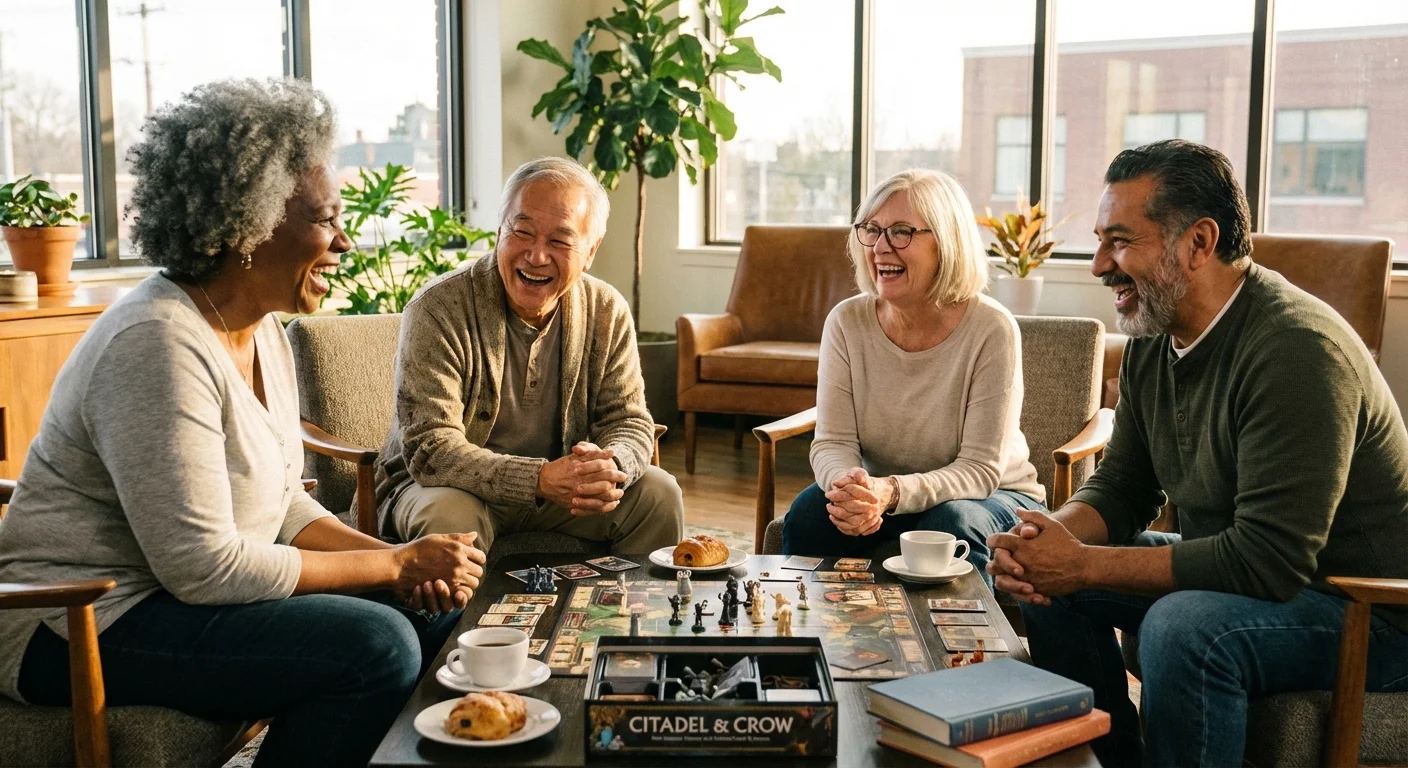
The Hidden Power of Social Connection
Isolation is one of the greatest unrecognized threats to mental sharpness. The workplace naturally provides dozens of daily social interactions—from casual conversations by the coffee machine to collaborative team projects. Losing this network can lead to social isolation, which studies link to an accelerated rate of memory loss.
Engaging in conversation is a highly complex cognitive task. It requires you to listen, process information, read body language, formulate a response, and articulate your thoughts in real-time. To maintain a robust social life in retirement, consider the following strategies:
- Volunteer your expertise: Mentoring young professionals or helping local nonprofits keeps you engaged and provides a sense of purpose.
- Join structured groups: Book clubs, community gardening associations, or local political groups offer regular, scheduled social interaction.
- Embrace multigenerational activities: Spending time with younger generations—whether through family or community programs—exposes you to new perspectives and keeps your mind flexible.
For more resources on staying connected in your community, the Administration for Community Living (ACL) offers excellent guidance on programs designed to support active, engaged aging.

Fueling Your Mind: Nutrition and Rest
The foods you eat directly impact your brain’s performance. The Mediterranean-DASH Intervention for Neurodegenerative Delay (MIND) diet has gained significant traction among neurologists. This eating pattern emphasizes leafy greens, berries, nuts, whole grains, olive oil, and fish—all rich in antioxidants and omega-3 fatty acids that fight cellular inflammation.
Equally critical is the quality of your sleep. During deep sleep, your brain performs essential maintenance, clearing out metabolic waste products, including the amyloid plaques associated with cognitive decline. Establish a firm sleep schedule, keep your bedroom cool and dark, and limit screen time before bed to ensure your brain gets the recovery time it desperately needs.

When to Get Expert Help
It is entirely normal to experience minor memory slips as you age; forgetting a neighbor’s name momentarily or walking into a room and forgetting why are standard hallmarks of a busy, aging brain. However, if cognitive changes begin to interfere with your daily life, your ability to manage your finances, or your safety, it is time to seek professional evaluation from a neurologist or geriatrician.
Beyond medical professionals, early planning with financial and legal experts is a crucial component of healthy aging. The time to organize your estate, update beneficiaries, and establish powers of attorney is while you are fully sharp and capable.
“The goal of retirement is to live off your assets—not live off your regrets.”
Consulting with an elder law attorney or a fiduciary financial advisor ensures that your wishes are documented and your assets are protected. Furthermore, if you are navigating complex decisions regarding Medicare coverage or Social Security timing, organizations like your local State Health Insurance Assistance Program (SHIP) can provide objective, personalized guidance before cognitive fatigue sets in.
Frequently Asked Questions About Aging and Memory
Are memory supplements effective for older adults?
Despite heavy marketing, there is very little scientific evidence that over-the-counter memory supplements or “brain pills” prevent cognitive decline or improve memory. Most neurologists recommend investing your time and money into a healthy diet, regular exercise, and learning new skills rather than unproven supplements.
Does doing crossword puzzles prevent dementia?
Crossword puzzles are a fun way to pass the time and can help with word recall, but they are not a silver bullet against dementia. Because they rely on accessing information you already know, they do not challenge the brain to form new neural connections the way learning a new language or playing a musical instrument does.
How does hearing loss affect cognitive health?
Untreated hearing loss is a major risk factor for cognitive decline. When you struggle to hear, your brain expends excessive energy trying to decode sounds, leaving less cognitive reserve for memory and comprehension. Furthermore, hearing loss often leads to social withdrawal. Wearing properly fitted hearing aids can significantly mitigate this risk.
Take an inventory of your daily habits this week. Identify one passive activity—such as watching an hour of television—and replace it with something that genuinely challenges your mind. Whether you finally sign up for that continuing education class, join a local walking group, or start learning a new language, taking immediate action is the best way to secure your cognitive future.
Retirement rules and benefit amounts vary based on individual work history, income, and circumstances. This article provides general guidance only. Consult a SHIP counselor, financial advisor, or elder law attorney for advice specific to your situation.
Last updated: February 2026. Medicare and Social Security rules change annually—always verify current details at official government sources.