
More than half of all grandparents in the United States live over 200 miles away from at least one of their grandchildren. If you fall into that category, you already know the distinct sting of missing a random Tuesday soccer game or a spontaneous afternoon trip to the park. Even if you live in the same town, shifting mobility levels or energy constraints can sometimes make it difficult to keep up with an energetic toddler or a busy teenager.
Geographical distance and physical limitations do not have to diminish your role in your family’s life. Modern technology, reliable postal services, and a bit of creativity allow you to build profound, lasting relationships with your grandchildren. You have the time and wisdom to offer a different kind of presence—one that does not rely on running marathons or living next door.

What You Need to Know
- Consistency beats grand gestures: A short, predictable weekly check-in builds stronger bonds than a single lavish annual visit.
- Technology is your bridge: Virtual grandparenting goes far beyond simple video calls; interactive online games and shared digital spaces keep younger attention spans engaged.
- Tangible items matter: In a heavily digital world, children and teens genuinely cherish physical letters, postcards, and care packages.
- Mobility does not dictate fun: You can adapt local activities to your physical comfort level without sacrificing the quality of your connection.

Virtual Grandparenting: Making Screen Time Count
Anyone who has tried to FaceTime a three-year-old knows the reality: you spend five minutes looking at the ceiling fan, three minutes watching them run away, and maybe thirty seconds actually seeing their face. Unstructured video calls rarely hold the attention of young children, and older kids can find them awkward if they feel put on the spot.
Successful virtual grandparenting requires moving from passive observation to active participation. You want to share an activity over the screen, rather than just using the screen to talk.
For younger children, try setting up your tablet or smartphone in the kitchen and baking the same recipe simultaneously. You can guide them through measuring ingredients while their parents supervise the oven. Alternatively, turn your video call into a shared storytime. Buy two copies of the same book—keep one for yourself and send the other to your grandchild. You can read aloud while they turn the pages on their end, pointing to the pictures together.
School-aged children respond exceptionally well to digital games. You can play Battleship, chess, or word games through various free apps while keeping a phone call open to chat about strategy. If they have a favorite online game, ask them to teach you how to play. Children rarely get the opportunity to be the teacher, and showing a genuine interest in their hobbies builds immense trust.

The Magic of Snail Mail for Long-Distance Bonding
In our era of instant messaging, receiving physical mail is a rare novelty for younger generations. A handwritten letter or a small package creates a tangible touchpoint that a grandchild can hold, display in their room, and revisit whenever they miss you.
Start a “pass-it-back” journal. Purchase a sturdy notebook and write a prompt or a memory on the first page. Mail it to your grandchild, asking them to write or draw their response on the next page, add a new prompt for you, and mail it back. To make this frictionless for their parents, always include a self-addressed, stamped envelope when you send the journal.
Monthly care packages are another excellent strategy for long-distance bonding. These do not need to be expensive or elaborate. A small box containing their favorite snack, a quirky pair of socks, a newspaper clipping about their favorite sports team, and a handwritten note shows that you pay attention to their evolving interests. The anticipation of checking the mail becomes a highly valued part of their routine.

Activities for Local Grandparents: Adjusting for Mobility
When you live nearby, the pressure to plan extravagant outings can feel overwhelming. If you are dealing with joint pain, fatigue, or simply prefer a slower pace, you might worry about disappointing your grandkids. However, activities with grandchildren do not need to be physically demanding to be memorable.
The key is setting up an environment where the child can be active while you remain comfortably seated and engaged. Below is a comparison table of family fun ideas categorized by age group, contrasting high-energy outings with low-mobility alternatives that provide the exact same level of bonding.
| Age Group | High-Energy Activity | Low-Mobility Alternative | Connection Focus |
|---|---|---|---|
| Toddlers (0–4) | Chasing them around a crowded playground or indoor trampoline park. | “Car wash” in the driveway. Give them a bucket of soapy water, sponges, and let them wash their plastic toys while you supervise from a lawn chair. | Sensory play and shared laughter without physical strain on your joints. |
| School-Age (5–12) | Hiking a local nature trail or spending the day at an amusement park. | Hosting a “living room campsite.” Build a fort with blankets, turn off the lights, and use flashlights to cast shadow puppets or read spooky stories. | Imaginative storytelling and creating a special, enclosed environment just for the two of you. |
| Teenagers (13+) | Attending all-day sporting tournaments or crowded outdoor concerts. | Teaching them a practical life skill, such as how to change a tire, balance a budget, or sew a button, followed by ordering their favorite takeout. | Mentorship and preparing them for adulthood while sharing a relaxed meal. |

Bridging the Gap with Teenage Grandchildren
Teenagers naturally pull away from their families as they establish their independence. If your teenage grandchild responds to your questions with one-word answers, do not take it personally. This phase requires a subtle shift in your approach.
Meet them where they communicate: text messaging. A random text wishing them luck on a math test or sharing a funny picture of your dog requires very little effort on their part but consistently reminds them that you are in their corner. Avoid asking heavy, open-ended questions via text. Instead, send them interesting articles about subjects they like, or ask for their advice on technology.
When you do see them in person, focus on shared experiences rather than interrogations about their grades or dating life. Watch a documentary together, go out for coffee, or ask them to curate a playlist of their favorite music for your car. Teenagers thrive when adults treat them with respect and show curiosity about their viewpoints.

Sharing Your Family Legacy
You hold the key to family history that predates your grandchildren—and even their parents. Documenting and sharing this legacy is a powerful way to implement senior family tips while creating an heirloom they will treasure forever.
Instead of just handing them a dusty box of photographs, turn your family history into a collaborative project. Invite your grandchild to interview you using a smartphone voice recorder. Let them ask you about your first job, how you met their grandmother or grandfather, or what their own parent was like as a rebellious teenager.
If you enjoy spending time in the kitchen, schedule a day to teach them a family recipe. As you knead the dough or stir the sauce, explain the origins of the dish and the relatives who used to make it. By associating family history with the sensory experience of cooking and eating, you ensure those memories stick.
“Retirement is not the end of the road. It is the beginning of the open highway.” — Unknown
This open highway gives you the freedom to redefine your relationships. Without the daily grind of full-time employment, you have the bandwidth to be the patient, listening ear that busy parents sometimes struggle to be.
The Rise of “Skip-Gen” Travel
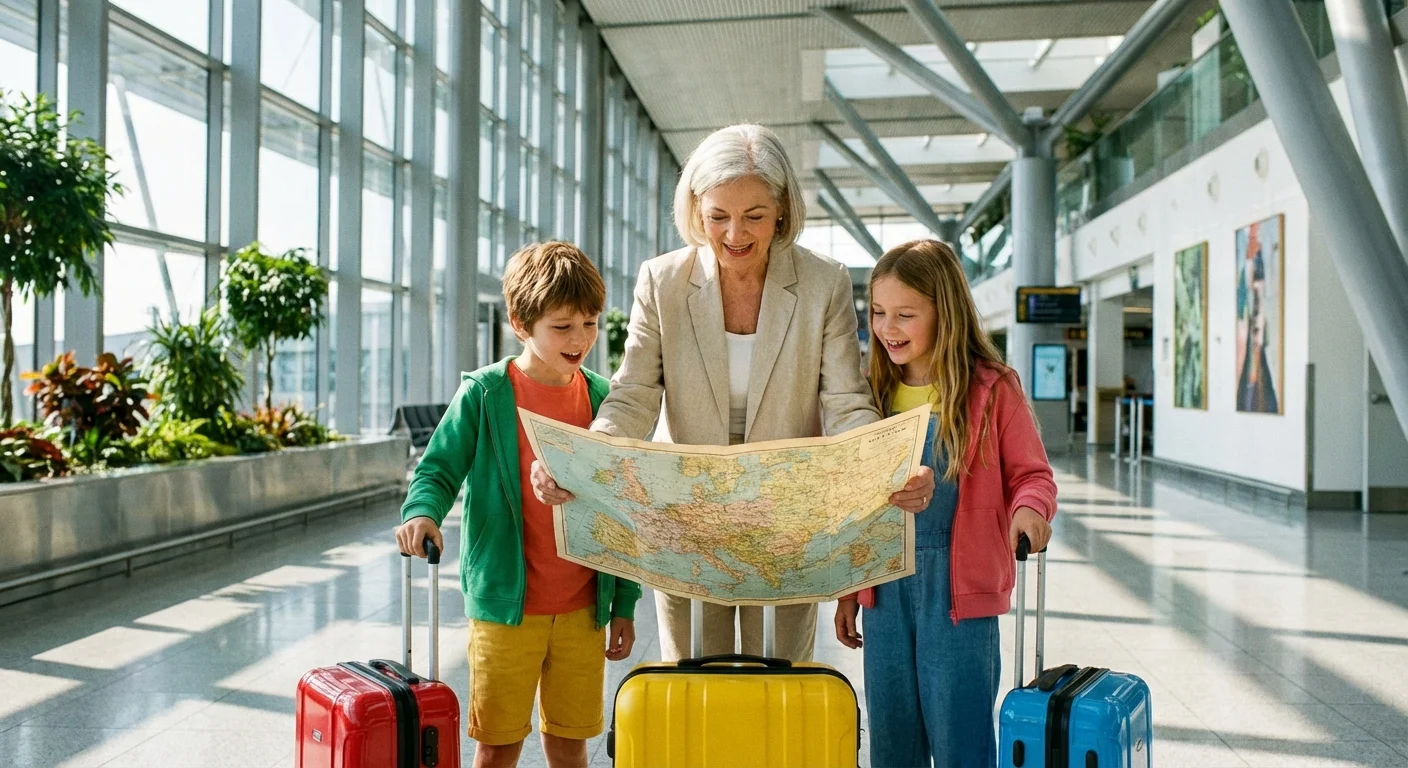
One of the most rewarding trends in retirement living is “skip-generation” travel—vacations where grandparents take their grandchildren on a trip, leaving the middle generation (the parents) at home. This allows you to bond directly with your grandchildren while giving their parents a much-needed break.
If you are considering a skip-gen trip, start small. A single overnight stay at a local hotel with a swimming pool is a great test run for younger children. As they get older, you can plan more extensive trips, like visiting a national park or taking a specialized cruise.
When planning these adventures, leverage resources tailored for older adults. Organizations like AARP offer valuable travel discounts and comprehensive guides specifically designed for grand-traveling. Furthermore, prioritize your health and safety while on the road. The National Institute on Aging provides excellent resources on traveling safely as you age, including tips for managing medications across different time zones.
Always carry a notarized medical consent form from the parents when traveling with grandchildren. This ensures you have the legal authority to seek medical treatment for them if an unexpected emergency occurs.

Structuring Your Time and Resources
Spoiling your grandchildren with time, attention, and the occasional adventure requires deliberate planning. Many retirees find that organizing their schedule allows them to dedicate specific, uninterrupted days to family fun ideas without exhausting themselves.
It also requires financial clarity. Whether you are funding skip-gen travel, mailing monthly care packages, or simply treating them to ice cream every Sunday, these costs become part of your retirement budget. For detailed guidance on managing your retirement assets so you can enjoy these family moments without stress, the USA.gov Retirement Resources portal offers reliable, up-to-date tools for structuring your income.
Frequently Asked Questions About Grandparenting Activities
How often should long-distance grandparents call?
Consistency is more important than frequency. Set a predictable schedule, such as every Sunday afternoon, rather than calling randomly. This helps the grandchild build the call into their routine and gives them something to look forward to.
What is a skip-generation trip?
A skip-generation trip is a vacation where grandparents travel alone with their grandchildren, “skipping” the parents. These trips foster deep, independent bonds and are a growing trend in active retirement planning.
How can I connect with a grandchild who only plays video games?
Show interest in their digital world. Ask them to explain the premise of their favorite game, watch them play for a few minutes, or ask if the game has a multiplayer mode you could try together. Validating their interests opens the door to better communication.
Building a strong relationship with your grandchildren is one of the greatest joys of your later years. You do not need boundless energy or a massive travel budget to make an impact. Choose one idea from this article—whether it is setting up a virtual chess match, buying a pass-it-back journal, or sending a random text to your teenage grandson—and put it into action this week.
Having the freedom and peace of mind to focus on your family relies on a secure financial foundation. Retirement rules and benefit amounts vary based on individual work history, income, and circumstances. This article provides general guidance only. Consult a SHIP counselor, financial advisor, or elder law attorney for advice specific to your situation.
Last updated: February 2026. Medicare and Social Security rules change annually—always verify current details at official government sources.