
You spent decades sitting in rush hour traffic, navigating office politics, and managing a household schedule. Now that your time is finally your own, you might be picturing wide-open spaces, towering redwoods, and endless horizons instead of another crowded city street. Many older adults mistakenly believe that exploring America’s wildest landscapes requires carrying a fifty-pound backpack and sleeping on the hard ground. The truth is vastly different. The National Park System offers some of the most accessible travel experiences in the world, complete with luxury lodges, paved viewing trails, and comprehensive shuttle systems.
Whether you want to witness a geyser erupt from the comfort of a boardwalk or watch a canyon turn gold at sunset from a dining room window, your retirement adventures are just beginning. You have a distinct advantage over younger travelers: flexibility. You can visit these natural wonders when the crowds go home, the weather cools down, and the true magic of the parks comes alive.
“Retirement is not the end of the road. It is the beginning of the open highway.” — Unknown
The Bottom Line Up Front
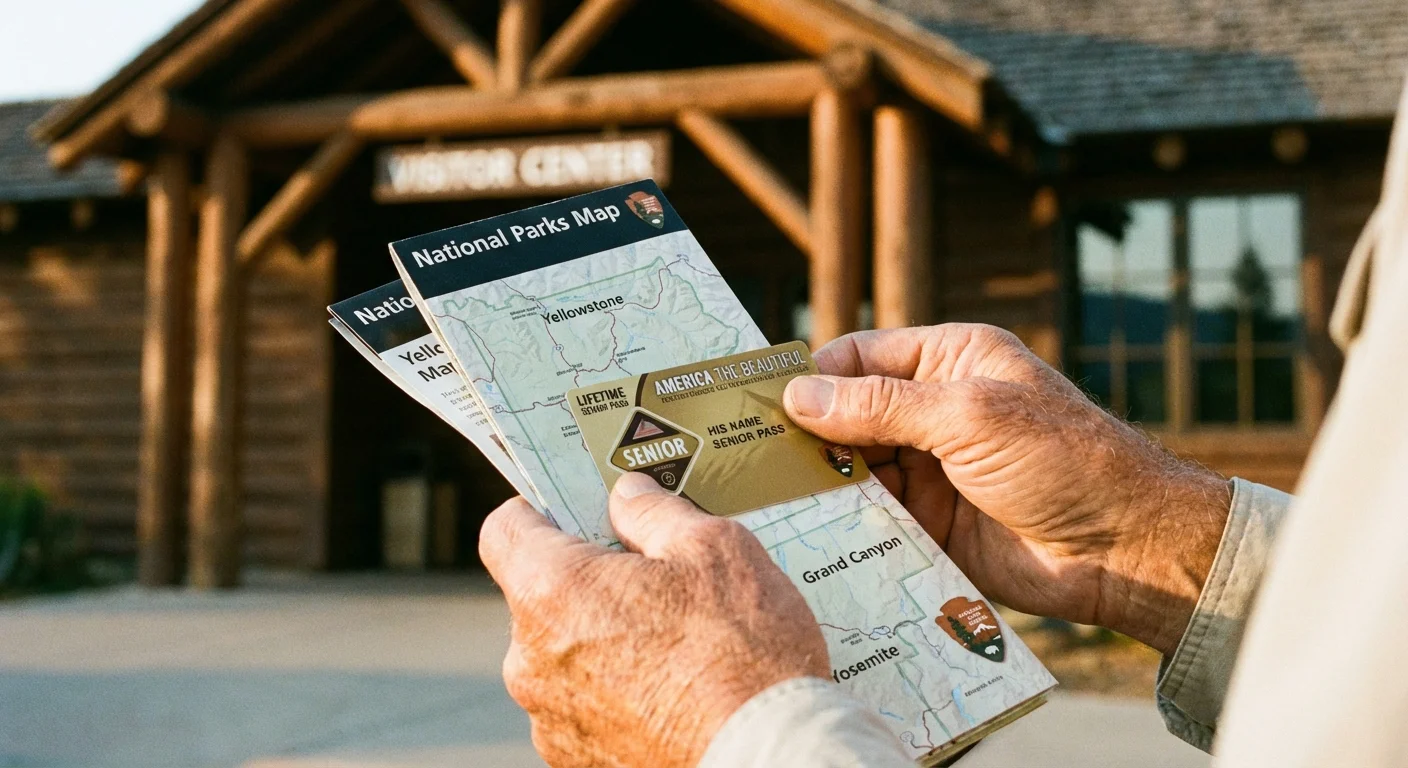
- The Senior Pass is your golden ticket: U.S. citizens aged 62 and older can purchase a lifetime pass that grants access to more than 2,000 recreation sites.
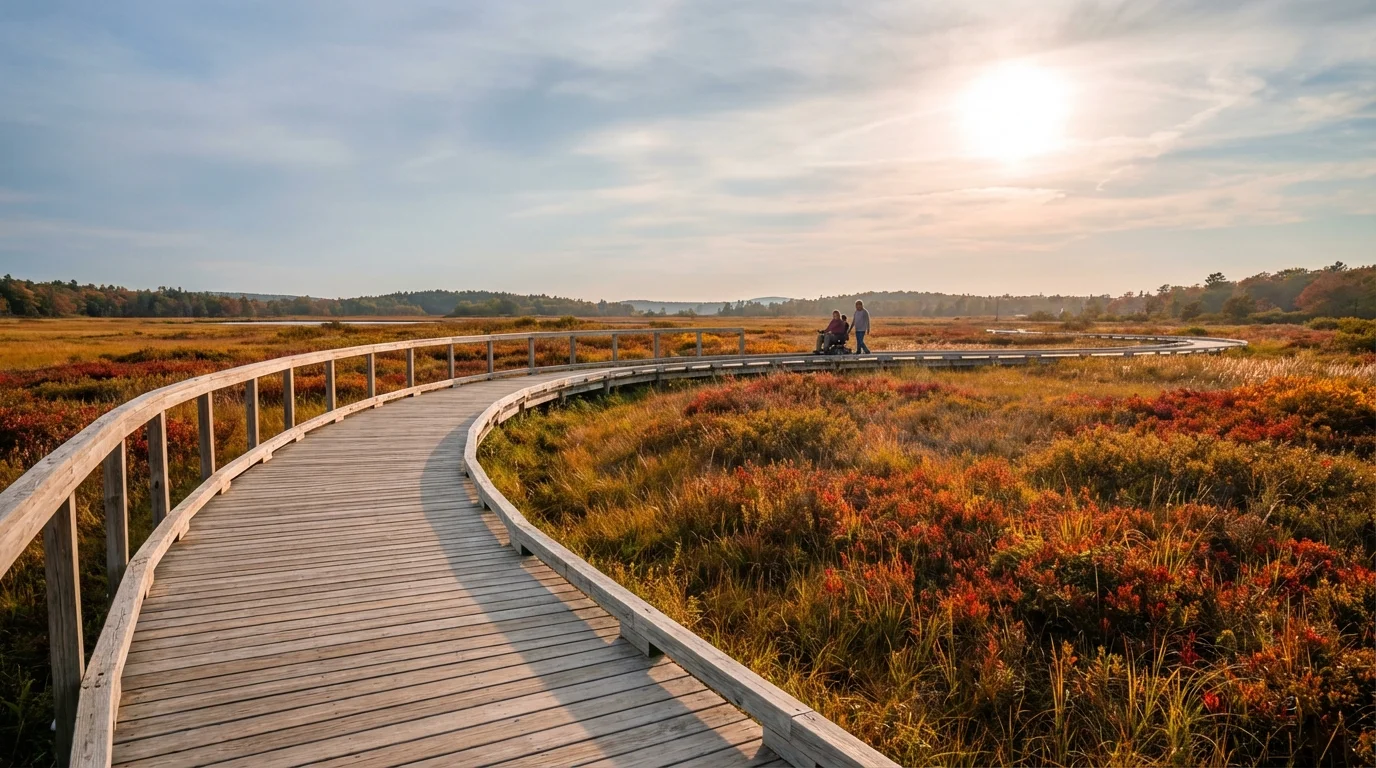
- Accessibility is standard: Most major parks feature wheelchair-friendly boardwalks, easy hiking trails, and paved scenic drives.
- Timing is everything: Plan your visits for the “shoulder seasons” (spring and fall) to avoid intense summer heat, peak-season crowds, and inflated lodging prices.
- Mobility matters: Parks like Grand Canyon, Yellowstone, and Acadia offer comprehensive shuttle systems and accessible viewpoints, making them ideal for visitors of all physical abilities.

Why National Parks Are the Ultimate Retirement Adventure
Stepping into a national park does more than just fill your photo album; it actively contributes to a healthier, more vibrant retirement. Senior outdoor travel blends physical activity with immense psychological benefits. According to resources from the National Institute on Aging, spending time in nature and engaging in regular, moderate exercise—like walking an easy trail—can lower blood pressure, reduce stress hormones, and improve overall cardiovascular health.
Furthermore, the infrastructure of the U.S. National Park Service accommodates varied mobility levels better than many international destinations. You will find that visitor centers provide excellent educational films, museums, and ranger-led talks that require no hiking at all. For retirees seeking lifelong learning, the historical and geological education available at these sites is unmatched.
Top 7 National Parks for Seniors
Selecting the right park depends entirely on your interests and physical comfort level. The following destinations stand out for their exceptional beauty, navigable terrain, and robust amenities tailored for older adults.
1. Yellowstone National Park, Wyoming
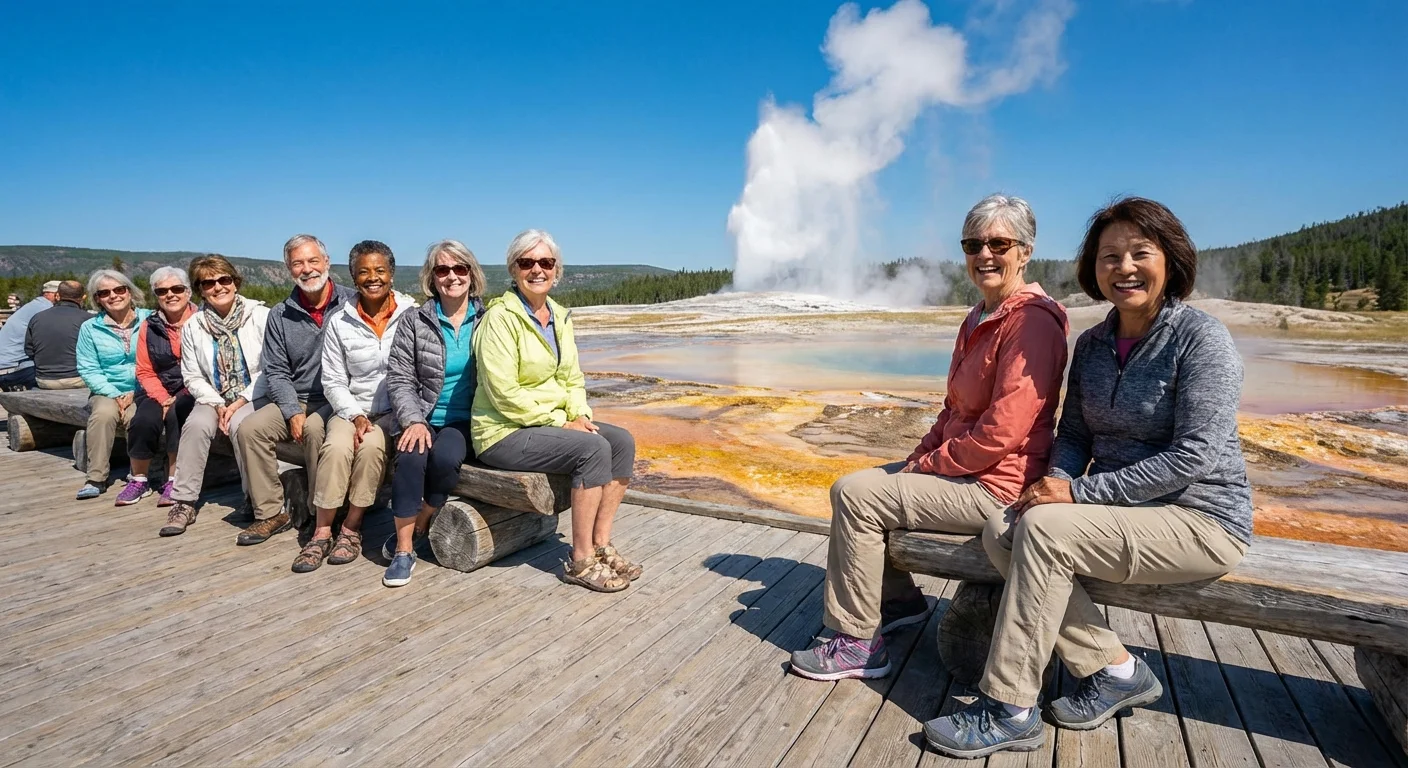
Yellowstone sits on top of a dormant volcano, offering a geothermal wonderland unlike anywhere else on earth. What makes Yellowstone exceptional for retirees is its incredible network of boardwalks. You can explore the most famous geysers, hot springs, and mud pots without ever stepping onto rough terrain. The Upper Geyser Basin features miles of flat, paved, and wooden walkways that accommodate wheelchairs, walkers, and strollers effortlessly.
Highlights for Retirees: Old Faithful offers ample bench seating, allowing you to wait for the eruption in comfort. The park also boasts excellent historic lodges—like the Old Faithful Inn—where you can relax with a cup of coffee while taking in the views. Wildlife viewing here often happens right from the passenger seat of your car; bison, elk, and sometimes bears frequently graze near the main loop roads.
2. Acadia National Park, Maine
Where the mountains meet the sea, Acadia provides a coastal retreat that feels both rugged and civilized. Acadia is famous for its 45 miles of carriage roads—wide, crushed-stone paths originally financed by John D. Rockefeller Jr. These roads prohibit motor vehicles, offering serene, easy hiking trails perfect for a morning stroll or an e-bike ride.
Highlights for Retirees: The 27-mile Park Loop Road delivers stunning ocean views, pulling right up to major attractions like Thunder Hole and Sand Beach. During the busy summer and early fall, the free Island Explorer shuttle system transports visitors around the park, eliminating the stress of finding a parking spot. Afterward, you can retreat to the nearby town of Bar Harbor for fresh Maine lobster and comfortable seaside lodging.
3. Grand Canyon National Park, Arizona (South Rim)
The sheer scale of the Grand Canyon is something every American should witness, and the South Rim is specifically designed to make this accessible to everyone. You do not need to hike down into the canyon to experience its majesty. The Rim Trail spans 13 miles, much of it paved and mostly flat, skirting the very edge of the canyon.
Highlights for Retirees: The park runs an incredibly efficient, free shuttle bus network with stops at all major viewpoints. You can walk a short, paved section from one viewpoint to the next, then simply catch the bus when you feel tired. The historic El Tovar Hotel offers elegant dining right on the rim, providing a luxurious capstone to a day of sightseeing.
4. Zion National Park, Utah
While Zion is famous for extreme hikes like Angels Landing, it secretly harbors some of the best accessible travel experiences in the Southwest. The towering Navajo sandstone cliffs surround you as soon as you enter the canyon floor. Because you are looking up at the scenery rather than looking down from a rim, you immediately feel immersed in the environment without needing to climb.
Highlights for Retirees: The Pa’rus Trail is a 3.5-mile roundtrip paved trail that follows the Virgin River; it is completely accessible and welcomes bicycles and pets on leashes. Zion also restricts private vehicles in the main canyon during most of the year, operating a smooth, air-conditioned shuttle service that features narrated audio tours of the park’s history and geology.
5. Shenandoah National Park, Virginia
If you prefer scenic driving over hiking, Shenandoah is your perfect match. Located just 75 miles from Washington, D.C., this park is built around the famous Skyline Drive—a 105-mile road that runs along the crest of the Blue Ridge Mountains.
Highlights for Retirees: Skyline Drive features 75 overlooks. You can spend an entire day pulling over to take in the sweeping vistas of the Shenandoah Valley without breaking a sweat. For a gentle walk, the Limberlost Trail offers a fully accessible, crushed-greenstone path that winds through beautiful mountain laurel and ancient oaks. The park’s lodges, Skyland and Big Meadows, offer comfortable rooms and dining rooms with spectacular valley views.
6. Badlands National Park, South Dakota
The striking geologic deposits of the Badlands rise out of the prairie like a sudden, alien landscape. This park is incredibly user-friendly for older travelers because its main attractions are concentrated along the Badlands Loop Road (Highway 240).
Highlights for Retirees: You will find numerous short boardwalk trails—like the Fossil Exhibit Trail and the Window Trail—that take less than twenty minutes to complete but deliver you straight into the heart of the colorful rock formations. Because the park is relatively compact, it makes for an excellent one- or two-day detour if you are embarking on a larger cross-country road trip.
7. Glacier National Park, Montana
Glacier offers dramatic alpine scenery, pristine lakes, and melting glaciers. The crown jewel of the park is the Going-to-the-Sun Road, an engineering marvel that crosses the Continental Divide. Driving this road is an adventure in itself, offering breathtaking views of deep valleys and cascading waterfalls.
Highlights for Retirees: If you prefer not to navigate the narrow, winding mountain roads yourself, you can book a tour on one of the park’s iconic vintage Red Buses. These tours feature roll-back canvas tops for unobstructed views and are driven by knowledgeable guides who handle the driving while you take photographs. Trail of the Cedars provides an accessible, flat boardwalk loop through a magnificent old-growth forest.
Comparing Accessibility Features of Popular Parks
To help you choose your next destination, use this comparison of key accessibility features across our top recommended parks.
| National Park | Scenic Drive Quality | Paved / Boardwalk Trails | Shuttle System Available | Elevation / Altitude Notes |
|---|---|---|---|---|
| Yellowstone (WY) | Excellent (Grand Loop Road) | Extensive (Geyser Basins) | No (Private vehicle needed) | High (7,000 – 8,000 ft). Pace yourself. |
| Grand Canyon (AZ) | Excellent (Desert View Drive) | Extensive (Rim Trail) | Yes (Comprehensive and free) | High (7,000 ft at South Rim). |
| Acadia (ME) | Excellent (Park Loop Road) | Moderate (Carriage Roads) | Yes (Island Explorer) | Sea level to low elevation. Very comfortable. |
| Zion (UT) | Good (Zion-Mt. Carmel Highway) | Moderate (Pa’rus Trail, Riverside Walk) | Yes (Mandatory in peak season) | Moderate (4,000 ft at canyon floor). |
| Shenandoah (VA) | Exceptional (Skyline Drive) | Limited (Limberlost Trail) | No (Private vehicle needed) | Moderate (3,500 ft). Humid in summer. |

Don’t Make These Mistakes When Planning Your Trip
Even the most accessible parks can become frustrating if you fall into common travel traps. Avoid these pitfalls to ensure your retirement adventures remain joyful and stress-free.
- Traveling during peak summer months: July and August bring crushing crowds, traffic jams, and dangerous heat to parks like Zion and the Grand Canyon. Instead, target September, October, April, or May. The weather is milder, and you will not have to fight for parking spaces or restaurant reservations.
- Ignoring the altitude: Many popular parks sit at high elevations. Yellowstone and the Grand Canyon are both situated around 7,000 feet above sea level. At this altitude, the air is thinner; you will tire faster and dehydrate more quickly. Give yourself a day to acclimatize before attempting any long walks, and drink significantly more water than you do at home.
- Overpacking your itinerary: The urge to see five parks in seven days usually results in exhaustion. The beauty of senior outdoor travel is having the time to linger. Pick one or two parks and explore them deeply. Spend an afternoon reading on the porch of a historic lodge or watching wildlife through binoculars.
- Forgetting to book lodging early: In-park lodging often sells out a full year in advance. If you want the convenience of waking up inside the park boundaries—which greatly reduces your daily driving—you need to plan and book twelve to thirteen months ahead of your trip.
Leveraging the America the Beautiful Senior Pass
One of the absolute best perks of turning 62 is qualifying for the National Parks and Federal Recreational Lands Senior Pass. It is the most valuable tool in your travel arsenal. You can purchase an annual senior pass for a nominal fee, or a lifetime pass for a slightly higher, one-time fee. This pass covers entrance fees at national parks, national wildlife refuges, and standard amenity fees at national forests and grasslands.
Beyond free entry, the pass often provides a 50 percent discount on some amenity fees charged for facilities and services, such as camping, swimming, boat launching, and specialized interpretive services. You can obtain this pass in person at most federal recreation sites, or online through the USA.gov Retirement Resources portal network.

Staying Healthy and Safe on the Trail
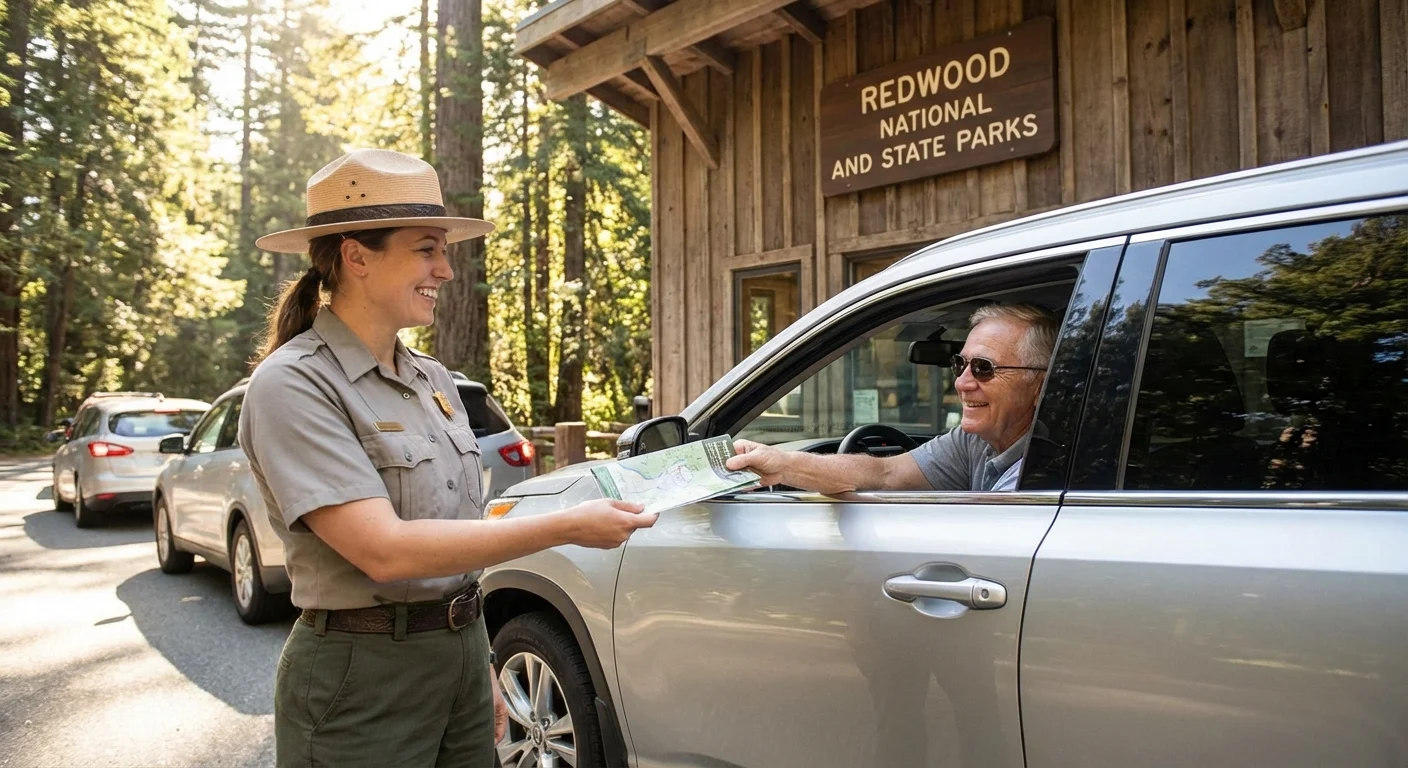
Before embarking on any trip, assess your current physical condition realistically. National parks are wonderfully accommodating, but they are still wild environments. Always stop at the visitor center first to speak with a park ranger; they provide the most up-to-date information on trail conditions, closures, and wildlife activity. Tell them exactly what kind of experience you are looking for—such as a flat, shaded walk less than two miles long—and they will map out the perfect route.
Organizations like AARP frequently publish updated travel guides and discount resources for older travelers that can help you secure better rates on nearby hotels and rental cars. Equip yourself with proper footwear—sturdy, closed-toe walking shoes with good traction are essential, even on paved trails. Use trekking poles for added stability, and always carry a daypack with water, salty snacks, sun protection, and a basic first aid kit.
Frequently Asked Questions
What is the best national park for someone with limited mobility?
Yellowstone and the Grand Canyon (South Rim) consistently rank as the most accessible national parks. Both feature miles of paved, flat trails or boardwalks, comprehensive shuttle systems, accessible dining and lodging, and viewpoints that require little to no walking from the parking areas.
How much is a lifetime senior pass for national parks?
As of recent years, the lifetime America the Beautiful Senior Pass costs $80, plus a small processing fee if ordered online. There is also an annual senior pass available for $20. The pass covers the pass owner and all passengers in a personal vehicle at per-vehicle fee areas.
When is the best time of year for seniors to visit national parks?
The “shoulder seasons”—typically September through October, and April through May—are ideal. During these months, the temperatures are moderate, the massive summer crowds have dispersed, and wildlife is often more active. However, always check specific park weather, as high-altitude parks like Glacier and Yellowstone may still experience snow in the shoulder seasons.
Do national parks offer discounts on lodging for seniors?
While the Senior Pass provides discounts on entrance fees and some federal camping fees, it generally does not offer discounts for privately managed in-park concessionaire lodging (like hotels and cabins). However, many of these lodges offer AARP or standard senior discounts if you ask at the time of booking.
Start Planning Your Next Adventure
The vast, beautiful landscapes of the United States are waiting for you, and they are more accessible than you might have imagined. Whether you are driving the misty peaks of the Blue Ridge Mountains or watching Old Faithful erupt against a clear blue sky, the national parks offer an enriching, joyful way to spend your retirement years. Pick one destination that sparks your curiosity, secure your Senior Pass, and start outlining your itinerary today. The open highway is yours to explore.
Retirement rules and benefit amounts vary based on individual work history, income, and circumstances. This article provides general guidance only. Consult a SHIP counselor, financial advisor, or elder law attorney for advice specific to your situation.
Last updated: February 2026. Medicare and Social Security rules change annually—always verify current details at official government sources.